

Using 3D LiDAR to Create Privacy-First Visitor Interaction
How a major New York City museum used Q-TRACK to bring anonymous visitor movement into an immersive exhibit experience.
Making Space Come Alive Without Camera-Based Tracking
Museums are evolving beyond static displays and traditional gallery design. Today's most memorable exhibitions increasingly blend physical space, digital media, sound, movement, and visitor participation.
For one major New York City museum, the goal was to create an interactive exhibit experience that could respond to visitor movement in real time without relying on cameras, facial recognition, wearable devices, or personally identifiable information.
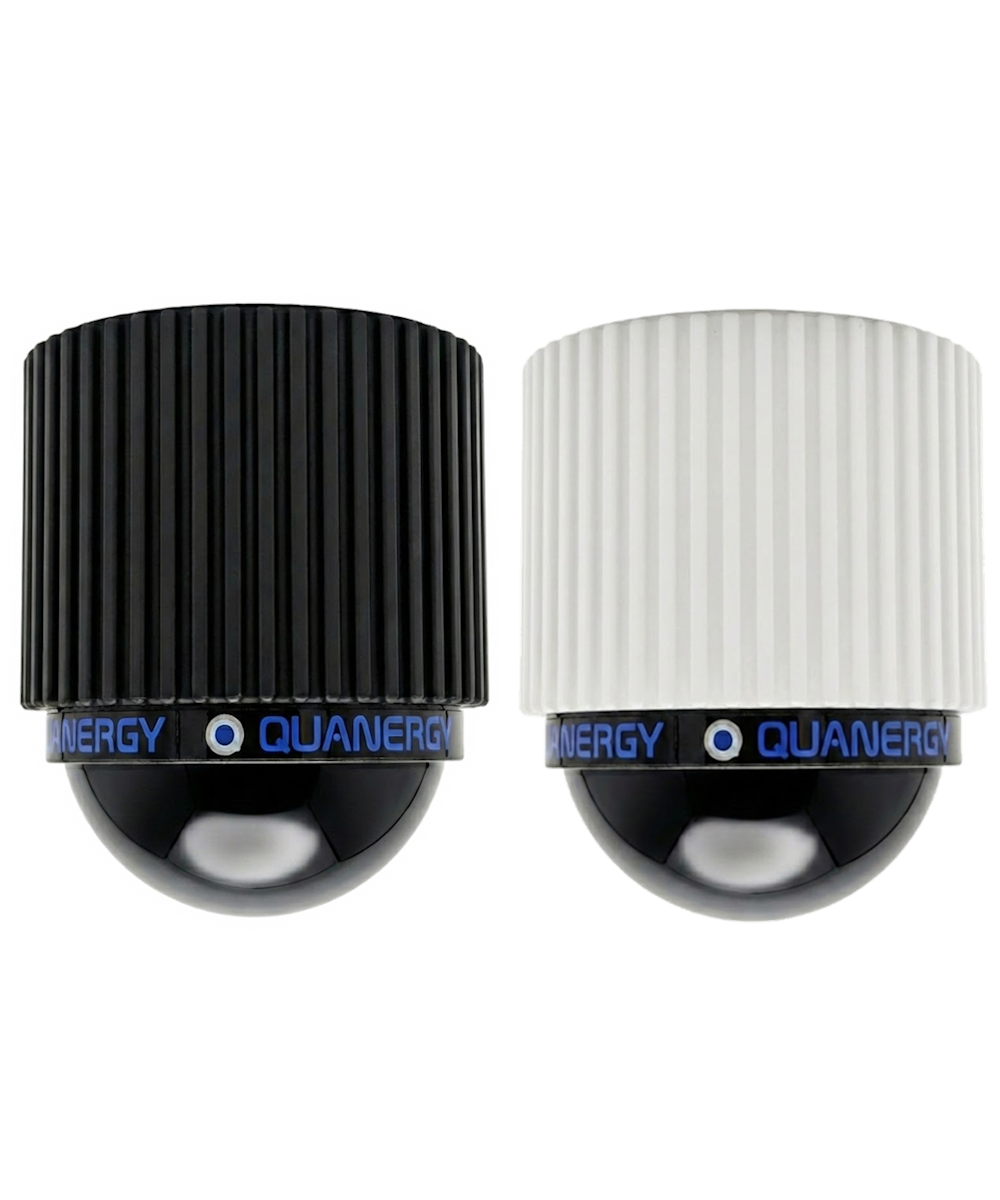
To support this experience, the museum deployed Q-TRACK, Quanergy's 3D LiDAR perception platform, to provide privacy-first spatial awareness for an immersive, motion-based installation.
"The system could not distract from the art, disrupt the visitor journey, or introduce privacy concerns for guests."
Making Visitor Movement Part of the Exhibit
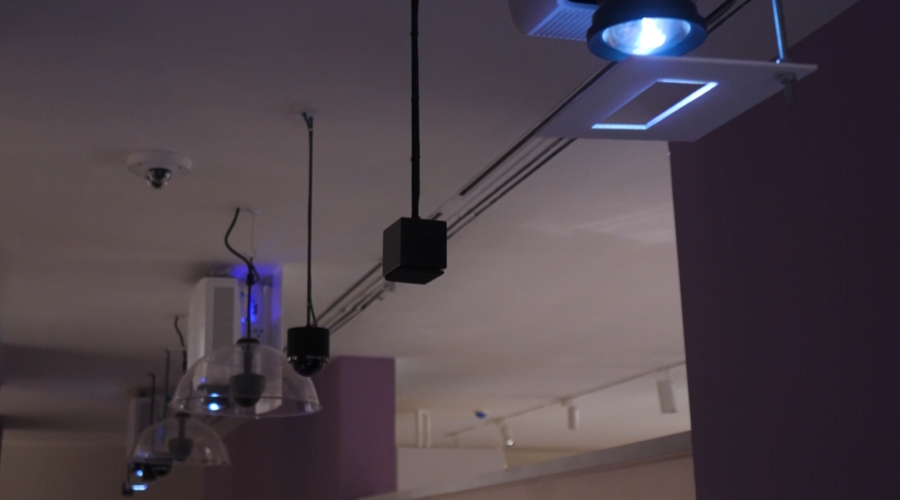
Interactive museum environments require more than simple presence detection. In this use case, the museum needed to understand visitor movement inside a defined exhibit area so the experience could react naturally as people entered, moved, paused, or interacted within the space.
The project required a sensing approach that could support the following while remaining unobtrusive to the visitor experience:
- Real-time visitor presence detection
- Anonymous people tracking
- Zone-based spatial awareness
- Movement-triggered interaction
- Reliable performance in indoor gallery conditions
- Privacy-first experience without cameras or facial recognition
- Seamless integration into the exhibit's digital experience layer
Why Traditional Interactive Exhibit Technologies Can Fall Short
Many interactive installations rely on cameras, pressure mats, handheld devices, RFID, mobile apps, or manual visitor inputs. Each approach can create limitations in a museum environment.
Camera-based systems may raise privacy concerns and can be affected by lighting, shadows, occlusion, or visual clutter. Wearables and handheld devices require visitor participation and create friction. Pressure mats limit design flexibility and only detect activity in narrow physical areas.
For museum teams designing immersive experiences, these limitations restrict creative possibilities. The exhibit required a way to sense human movement in three-dimensional space while preserving the visitor's anonymity.
The 3D LiDAR Exhibit Architecture
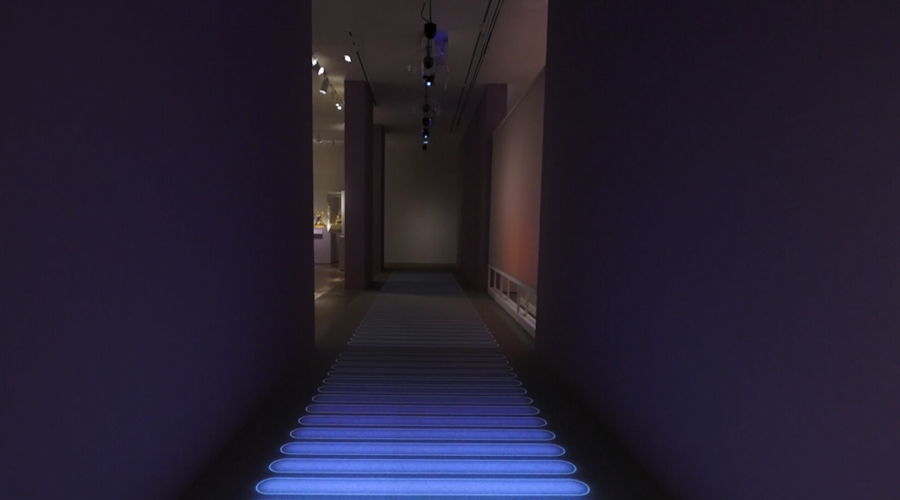
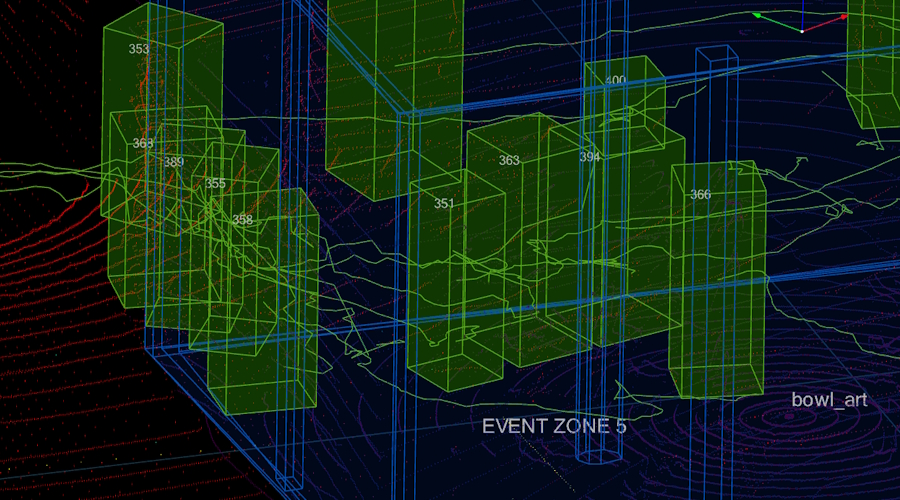
The selected solution used Q-TRACK to create a real-time 3D understanding of visitor presence and movement inside the exhibit area. Unlike camera-based systems, 3D LiDAR does not capture faces, clothing, skin tone, or personally identifiable imagery. It measures distance and position in space, creating anonymous spatial data.
The Q-TRACK deployment enabled:
- Anonymous visitor detection
- Real-time 3D spatial awareness
- Zone-based interaction logic
- Movement and position-based triggers
- Lighting-independent sensing
- Privacy-first operation
- Flexible integration with the exhibit experience layer
Turning Movement Into a Digital Experience
The purpose of the deployment was not simply to count people or monitor occupancy. The goal was to support an exhibit environment where visitor movement could become part of the experience itself.
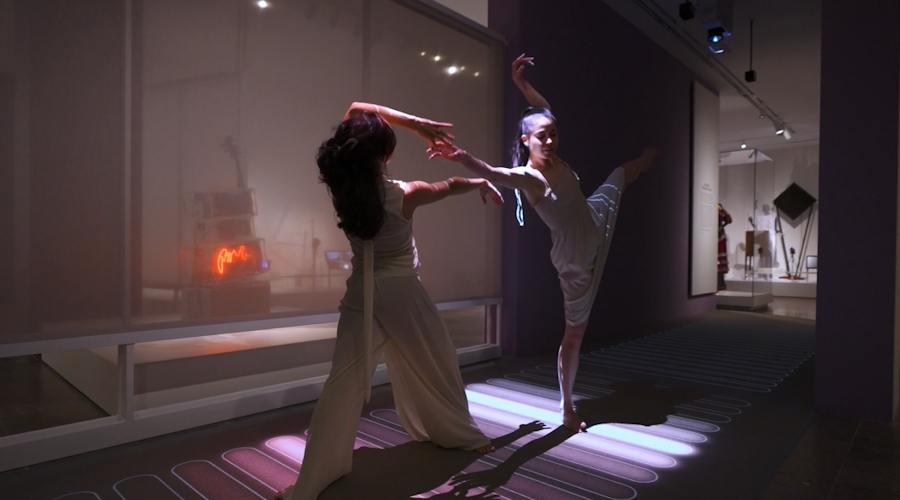
As visitors entered the interactive zone, Q-TRACK provided the spatial awareness needed to understand presence, position, and motion. That data could then be used by the exhibit's digital system to trigger or influence responsive content — sound, media, lighting, or other immersive elements.
This allowed the museum to create an experience that felt responsive, natural, and intuitive without requiring visitors to touch a screen, wear a device, scan a code, or identify themselves.
"By translating visitor movement into spatial data, the system helped turn the body into an interactive input."
Privacy-First Spatial Awareness for Museums
Museums serve broad public audiences, including children, families, students, international visitors, and accessibility-sensitive groups. For these environments, privacy is not just a technical requirement. It is part of the visitor experience.
Q-TRACK supports interactive museum experiences by providing spatial intelligence without collecting personally identifiable visual data. This makes 3D LiDAR well suited for environments where organizations need to understand movement, occupancy, and interaction while avoiding the risks associated with camera-based tracking.
For museum operators, this creates a powerful balance: richer interactive experiences with a lower privacy burden.
A More Responsive Interactive Museum Environment
The deployment helped the museum create a more dynamic exhibit experience by giving the digital layer real-time awareness of visitor movement. Key outcomes included:
Why 3D LiDAR Matters for the Future of Interactive Museums
Museums are increasingly looking for ways to make exhibitions more participatory, inclusive, and memorable. The next generation of exhibit design will do more than display content. It will respond to people, space, movement, and activity in real time.
3D LiDAR provides a foundation for this shift. For museum, gallery, and immersive experience designers, this creates new possibilities for:
- Interactive art installations
- Motion-based sound experiences
- Responsive media environments
- Crowd-aware exhibit design
- Visitor flow analysis
- Accessibility-aware spatial experiences
- Privacy-first engagement analytics
Frequently Asked Questions
How can 3D LiDAR be used in museums?
3D LiDAR can be used in museums to detect anonymous visitor presence, track movement through defined zones, support interactive exhibits, understand visitor flow, and trigger digital media or sound experiences based on real-time spatial activity.
Does Q-TRACK use cameras or facial recognition?
No. Q-TRACK does not require facial recognition or traditional video imaging. It uses spatial data to understand where people are located and how they move through an environment without identifying individuals.
Why is privacy important for interactive museum technology?
Museums serve public audiences and often include children, families, students, and international visitors. Privacy-first technology helps museums create interactive experiences without collecting unnecessary personal or visual information.
What makes Q-TRACK useful for interactive exhibits?
Q-TRACK provides real-time 3D spatial awareness, allowing exhibit designers to understand visitor presence, position, and movement. This can be used to trigger responsive media, sound, lighting, or other interactive elements.
Can 3D LiDAR support immersive art and music experiences?
Yes. 3D LiDAR can turn visitor movement into a real-time input for immersive environments, including sound-based installations, responsive media, interactive art, and multisensory exhibits.
Conclusion
For this major New York City museum, Q-TRACK provided the spatial awareness layer needed to support a privacy-first interactive exhibit experience.
By using 3D LiDAR to understand anonymous visitor movement in real time, the museum was able to create a more responsive environment without relying on cameras, facial recognition, wearables, or personally identifiable data.
As museums continue to explore new forms of immersive storytelling, 3D LiDAR offers a powerful foundation for experiences that are interactive, intelligent, and respectful of visitor privacy.
Ready to bring your exhibit space to life?
Whether you are designing an immersive installation, improving visitor flow, or creating privacy-first spatial experiences, Quanergy Q-TRACK provides the sensing layer to bring physical spaces to life.
Talk to a Quanergy ExpertRelated Resources
Q-TRACK: Real-Time 3D Spatial Awareness
Explore the full capabilities of Q-TRACK: anonymous, privacy-first 3D spatial sensing deployable in any environment.
Learn More →LiDAR + Holographic Tech at Case Western Reserve University
How Q-TRACK enabled real-time movement tracking for an immersive holographic live dance performance.
Read Case Study →Alliance Bernstein: Transforming Corporate Spaces Into Interactive Experiences
How Alliance Bernstein used Quanergy 3D LiDAR to create responsive, data-driven spatial interactions.
Read Case Study →