

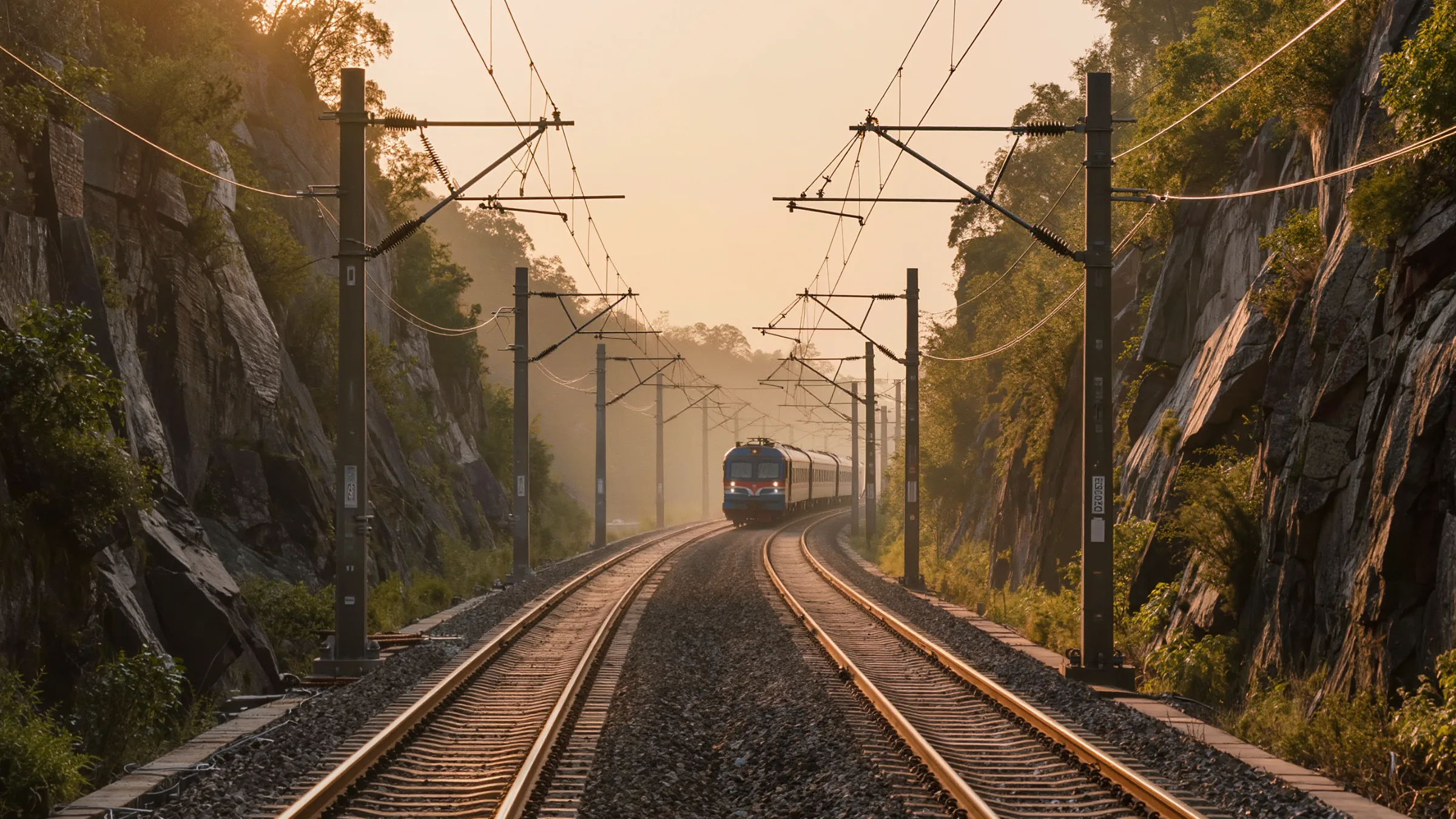
3D LiDAR for Railways
Falling stones, fallen trees, landslips and people on the line all put trains at risk. Quanergy 3D LiDAR watches tracks, crossings, platforms and tunnel portals in real time, in any light, and alerts operators before a train arrives.
Source: SFMTA, “A Green Light for Muni Customers”, November 2021.
Hazards on the line do not wait for an inspection
Rail networks run through cuttings, forests, crossings and tunnels. A rock, a tree or a person on the track can appear minutes before a train, often at night or in bad weather.
Cameras alone struggle in darkness, rain and glare, and they cannot measure how big an object is or exactly where it sits. Patrols and inspections only see the line at one moment in time.
3D LiDAR measures the scene itself. People and vehicles are detected and classified, and anything else on the track, such as falling stones, fallen trees or a landslip, is reported as an unclassified object with its size and position. Operators get an alert in real time, so they can stop or slow trains and send crews to clear the line.
Six ways 3D LiDAR works on the railway
Detect what is on the track, at the crossing and on the platform, before the train gets there.
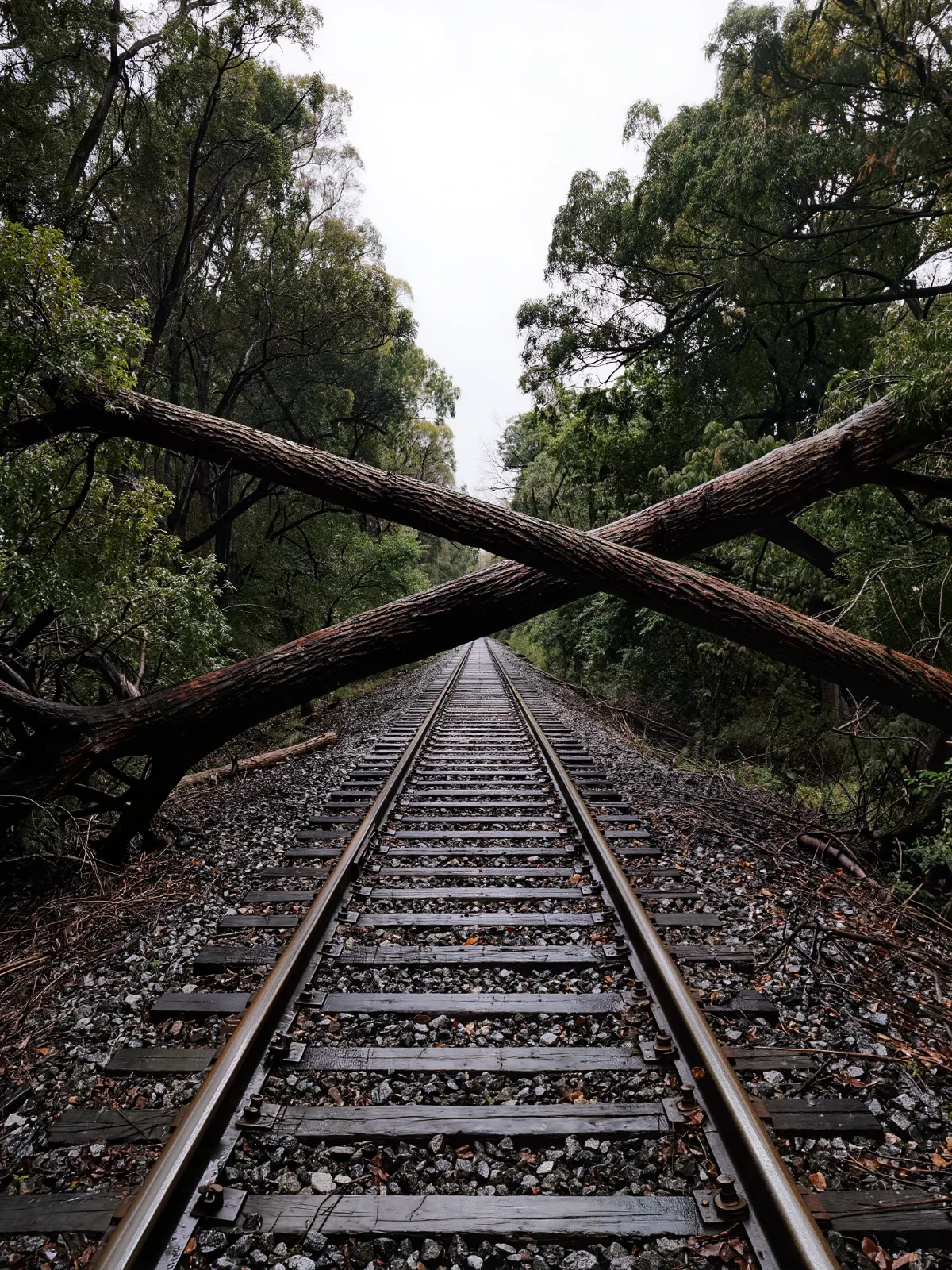
Find what fell on the line
Detect fallen trees, debris and other objects on the track so they can be safely cleared before a train arrives.
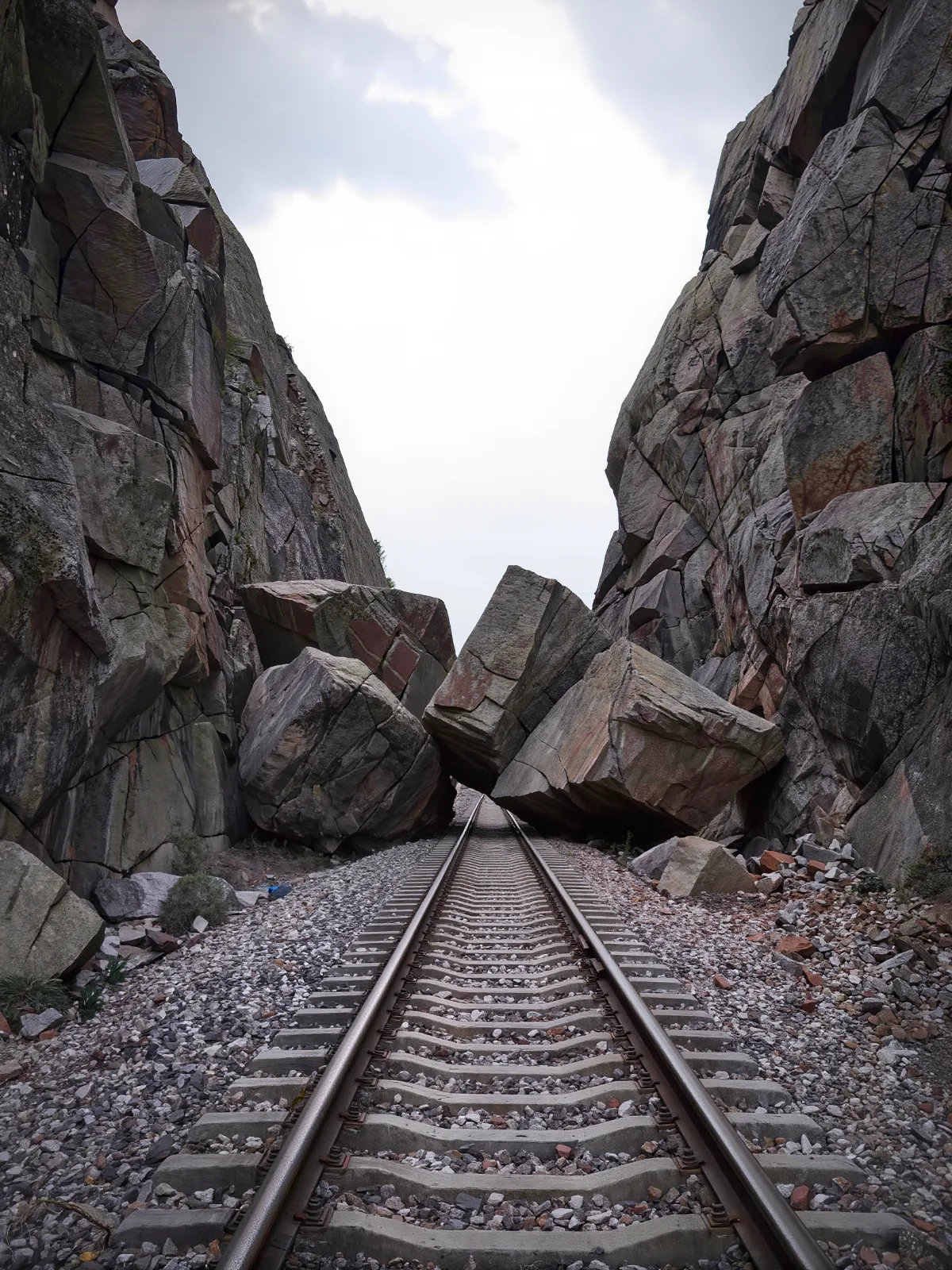
Watch the slopes and cuttings
Monitor track sections below rock faces and embankments, and alert when stones or soil reach the line.
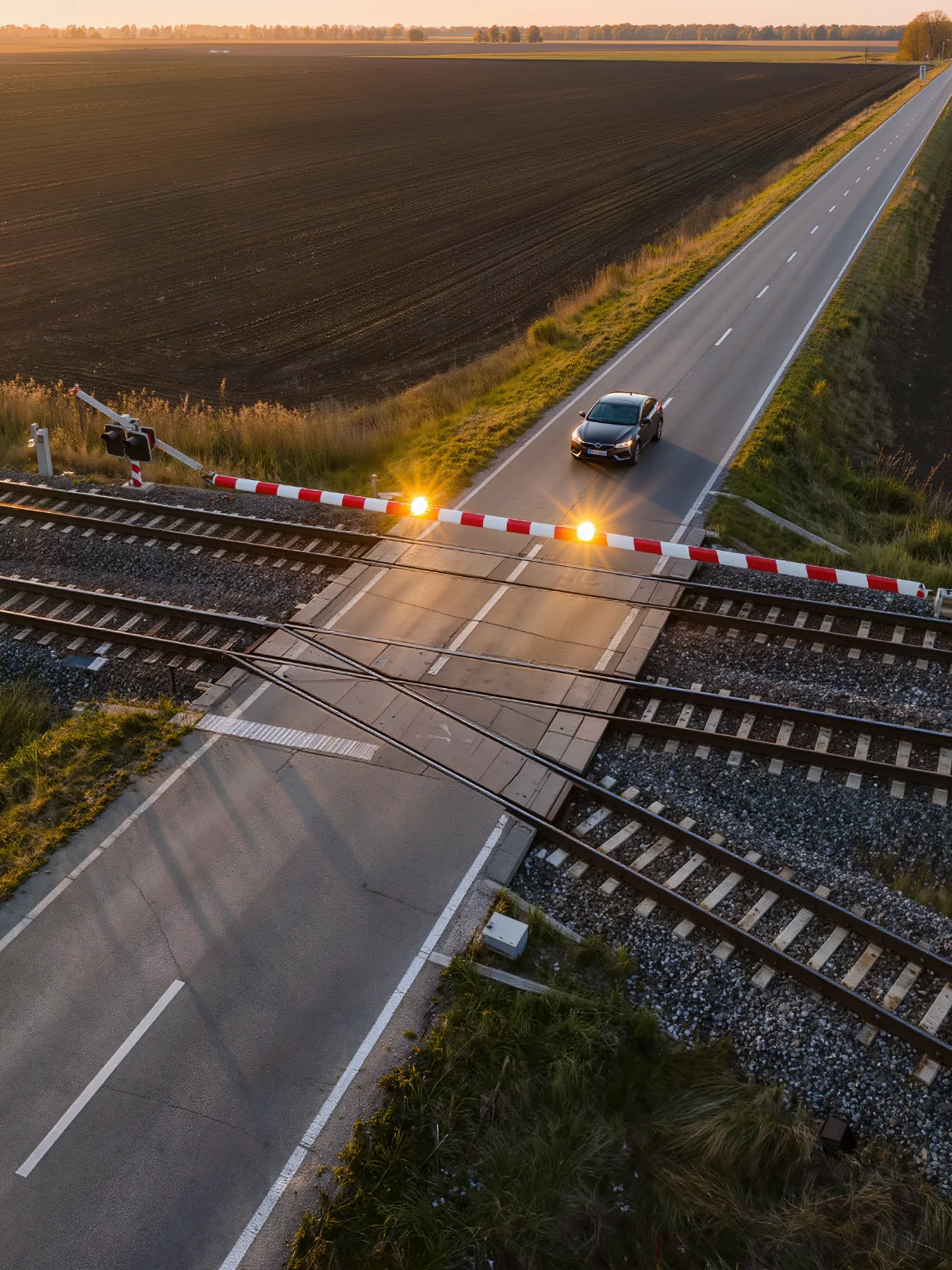
Know the crossing is clear
Detect a vehicle or person stopped on a level crossing and notify operators in time to act.
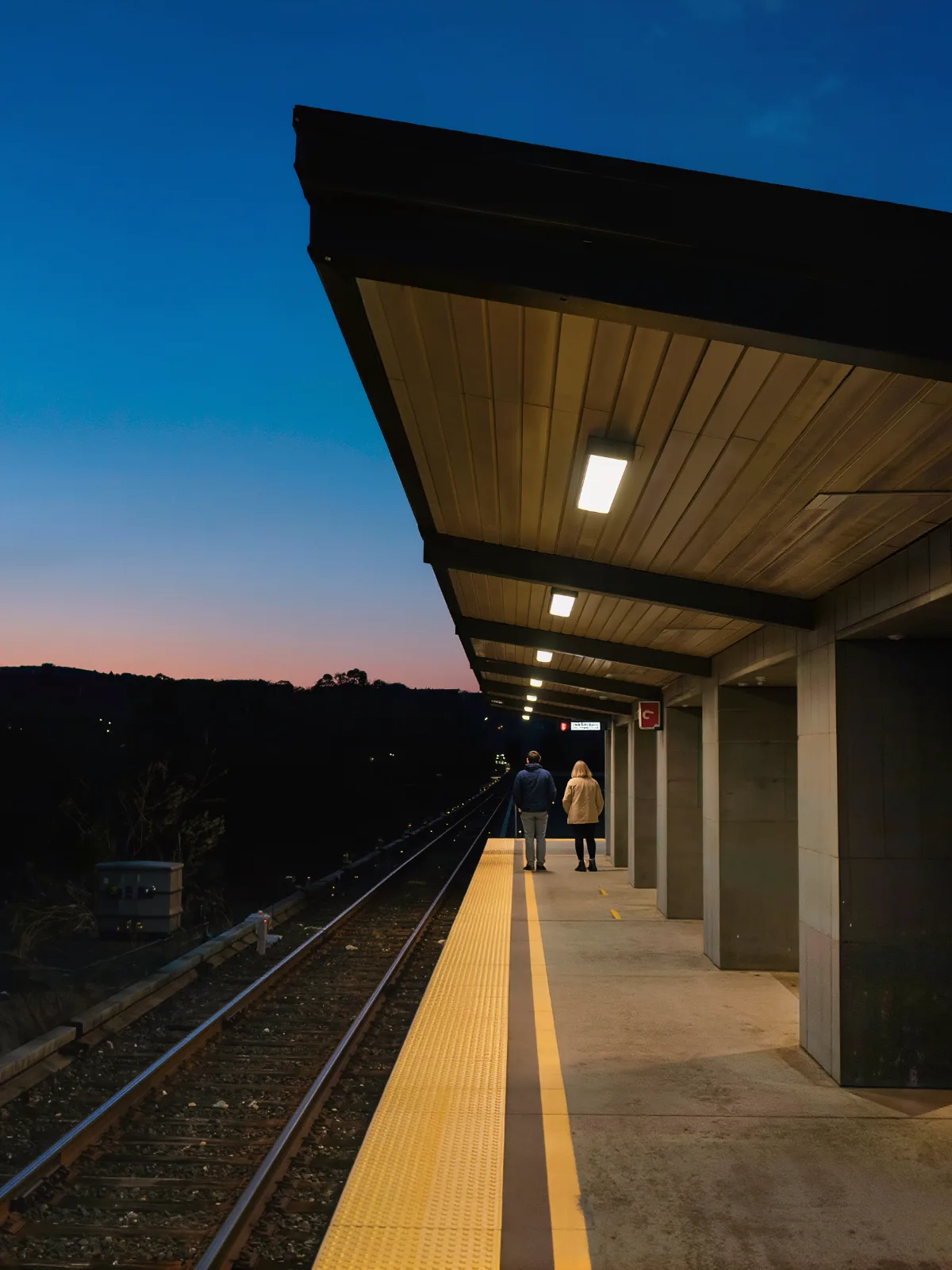
Keep people off the track
Alert when someone crosses the platform edge or walks onto the track bed, in any light.
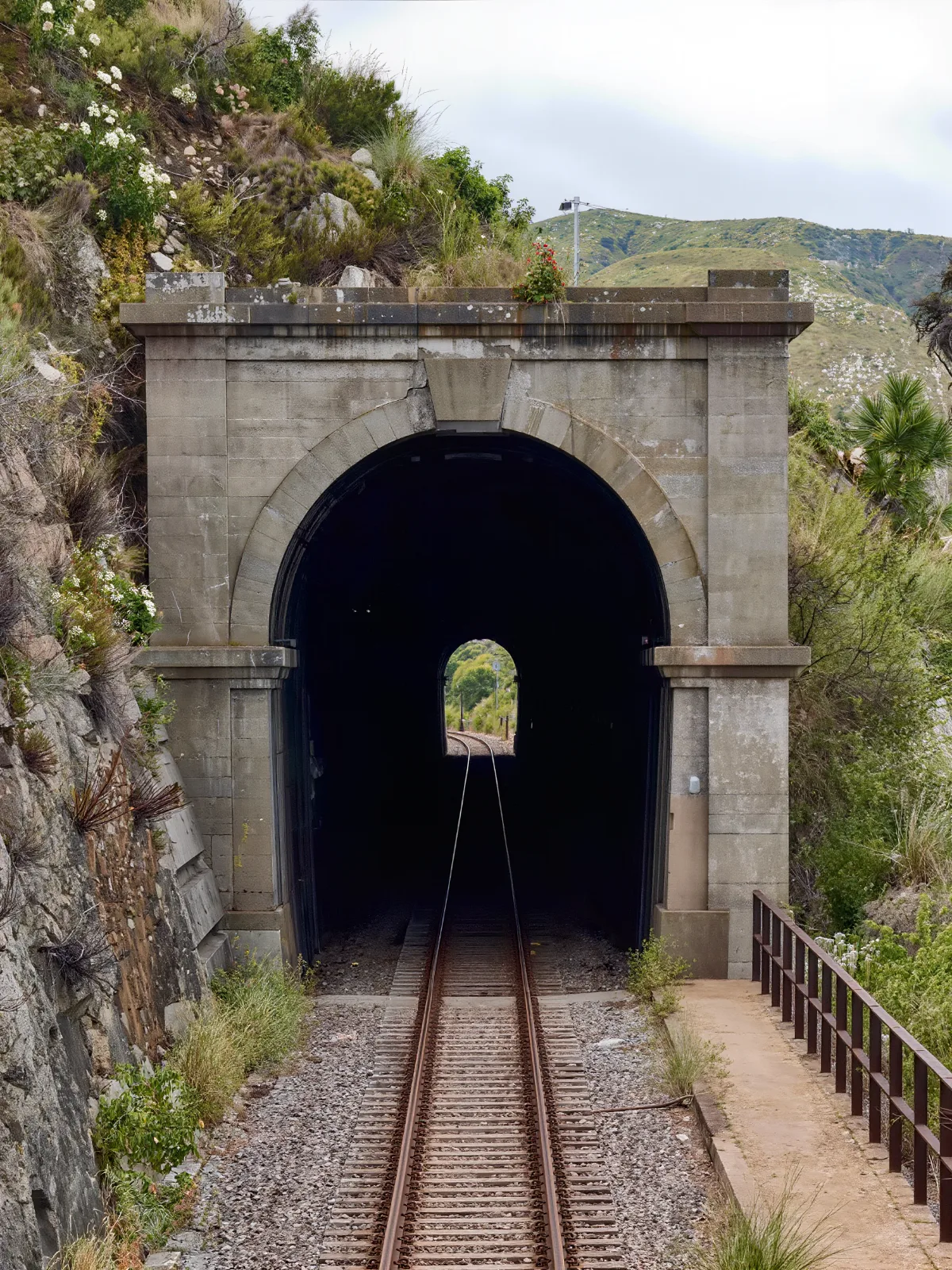
Protect tunnel portals
Detect people entering tunnels and track areas before they reach the live line.
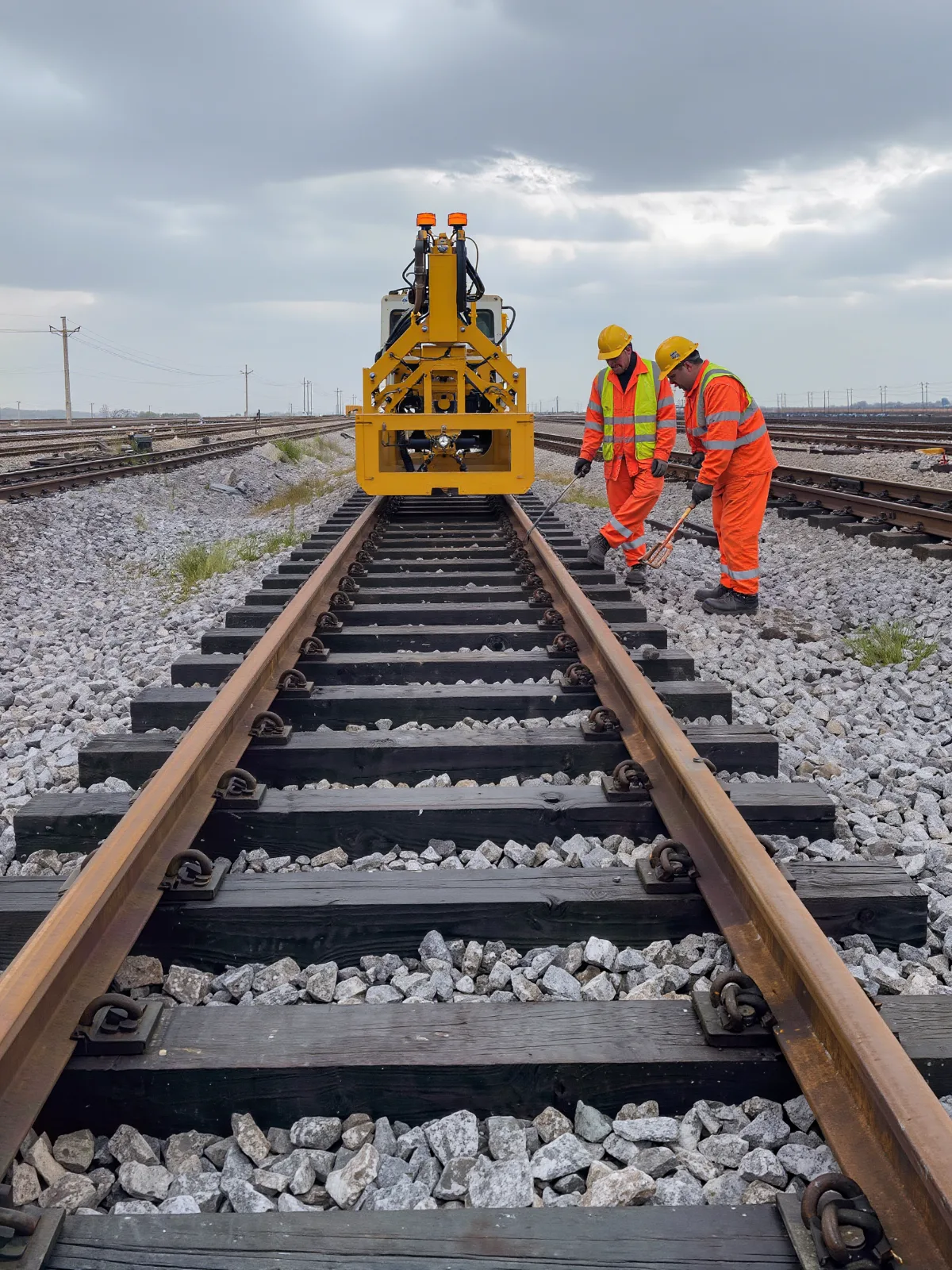
Watch over track crews
Know when people and vehicles enter a protected work zone, so crews and machines keep a safe distance.
Detect. Track. Classify. Alert.
Quanergy LiDAR builds a live 3D picture of the track and its surroundings, and turns it into alerts your operators can act on.
- 1
Detect
3D LiDAR covers long sections of track, crossings and platforms, in any light or weather, including total darkness.
- 2
Track
Perception software follows every object with its position, size, speed and direction.
- 3
Classify
People and vehicles are classified by size and movement. Anything else is reported as an unclassified object, such as a rock or tree on the line.
- 4
Alert
Configurable 3D zones send real-time alerts to your control room and video systems.
Fits the systems you already run
Quanergy works with 80+ technology partners, including leading video management platforms. Our engineers help connect LiDAR alerts to your control room.
- Track obstruction
- Falling stones
- Fallen trees
- Landslips
- Level crossings
- Platform edge
- Tunnel portals
- Work zones
- Video management integration
Rail results in San Francisco
SFMTA: light rail signal priority with 3D LiDAR
In a 2021 proof of concept on San Francisco’s 3rd Street light rail corridor, 3D LiDAR detected and tracked trains, vehicles and pedestrians at intersections in real time to give light rail vehicles signal priority.
- Travel time per light rail vehicle fell by 66 seconds
- 85.8% of trains reached intersections on green, up from 62.1%
- No personally identifiable information captured
Protecting rail corridors, tunnels, platforms and yards from trespass? See 3D LiDAR for transportation security.
3D LiDAR for railways: common questions
How is 3D LiDAR used on railways?
Quanergy 3D LiDAR detects objects on the track such as falling stones, fallen trees and landslips, watches level crossings, platforms and tunnel portals, and alerts operators in real time.
Can LiDAR detect rocks and trees on the track?
Yes. People and vehicles are classified, and other objects on the track are reported as unclassified objects with their size and position, so crews can clear them safely.
Does it work at night and in bad weather?
Yes. LiDAR provides its own illumination, so it works in complete darkness and is not affected by glare.
Can it monitor level crossings?
Yes. 3D LiDAR detects a vehicle or person stopped on a level crossing and notifies operators.
Does it capture faces?
No. LiDAR measures shape and position, so no personally identifiable information is captured. Quanergy does not offer facial recognition.
Where has Quanergy LiDAR been used in rail?
In a 2021 SFMTA proof of concept on San Francisco’s 3rd Street light rail corridor, travel time per light rail vehicle fell by 66 seconds and 85.8% of trains reached intersections on green.
See what is on the line before the train does
Tell us about your tracks, crossings, platforms and tunnels. Our team will map where 3D LiDAR improves safety on your network.