

3D LiDAR for Industrial Automation
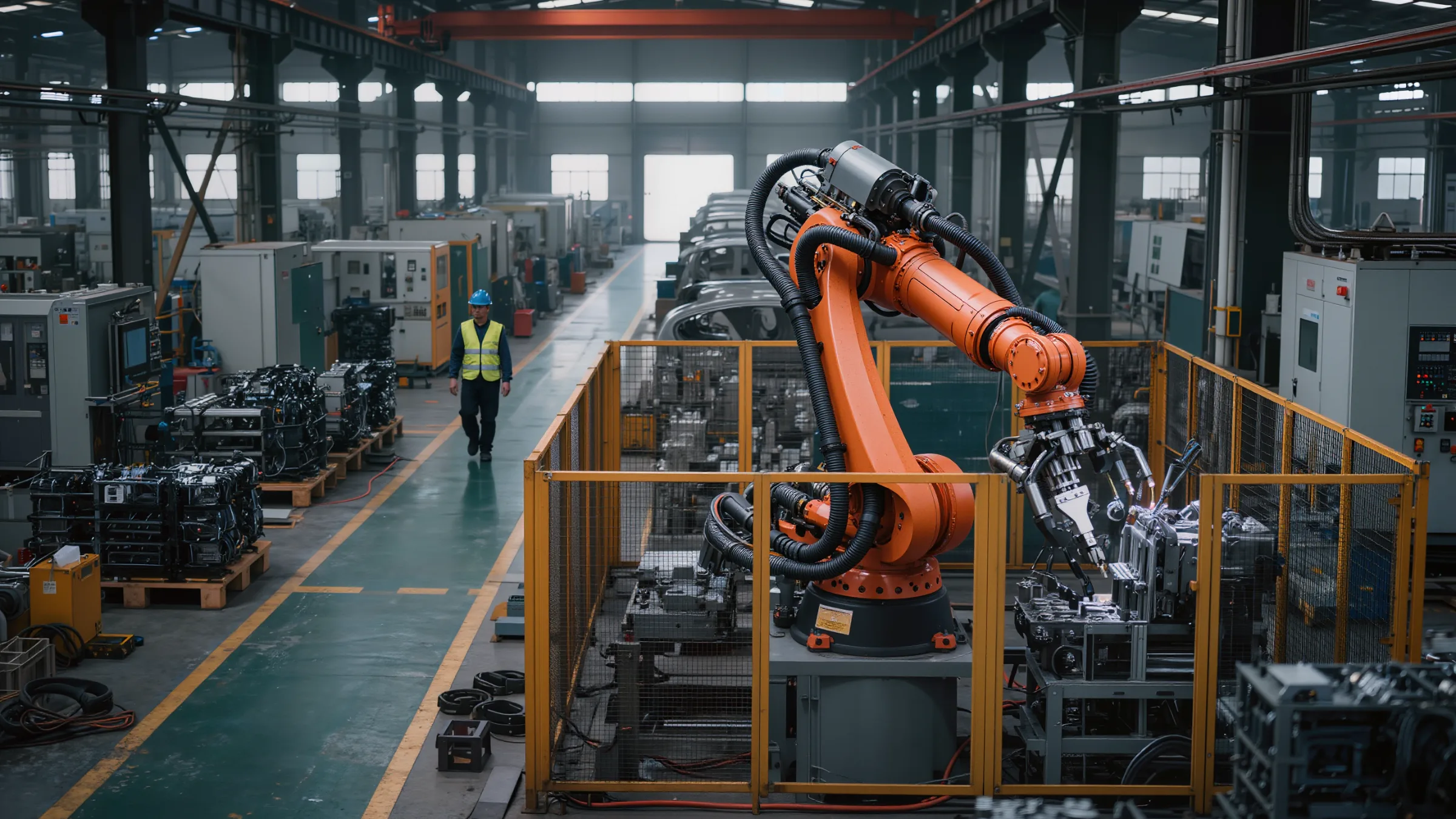
Quanergy LiDAR watches the zones around robot cells, guides robots and AMRs working near people, and locates objects for automated handling, in any lighting.
Automation works best when it knows who is nearby
Robot cells, conveyors and mobile robots share the floor with people. Fixed fences and floor tape cannot tell the system when someone steps into a zone or an object is in the way.
Quanergy LiDAR adds awareness to the cell. It monitors user-defined detection zones and triggers an alarm on a digital output when there is activity.
Edge processing handles the point cloud without additional programming, and 3D LiDAR locates and recognizes objects in stationary and dynamic applications.
Six ways 3D LiDAR works for industrial automation
Zone awareness, object detection and robot guidance from one sensing layer.
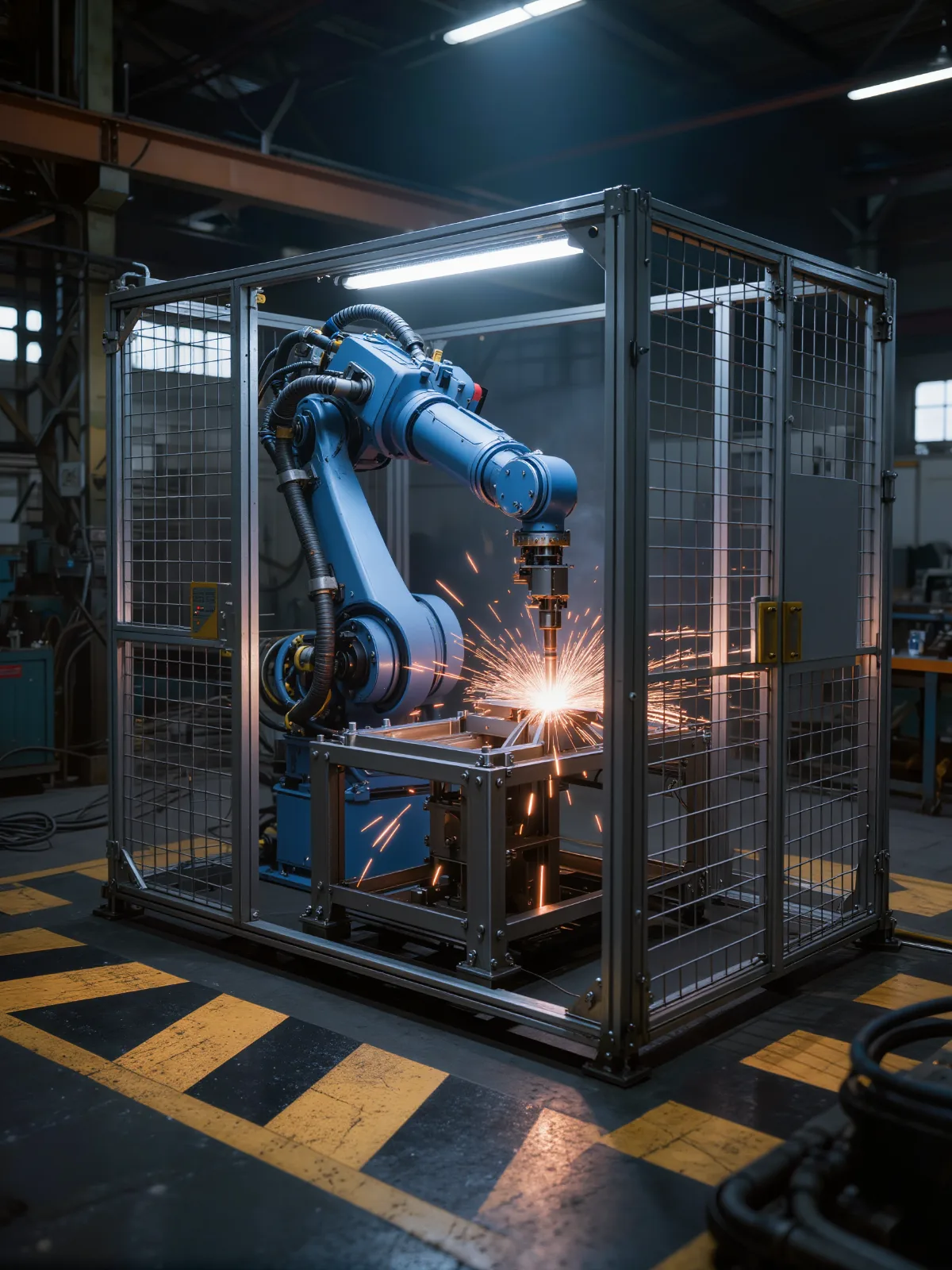
Know when someone enters the cell
LiDAR monitors user-defined detection zones and triggers a digital output when there is activity.
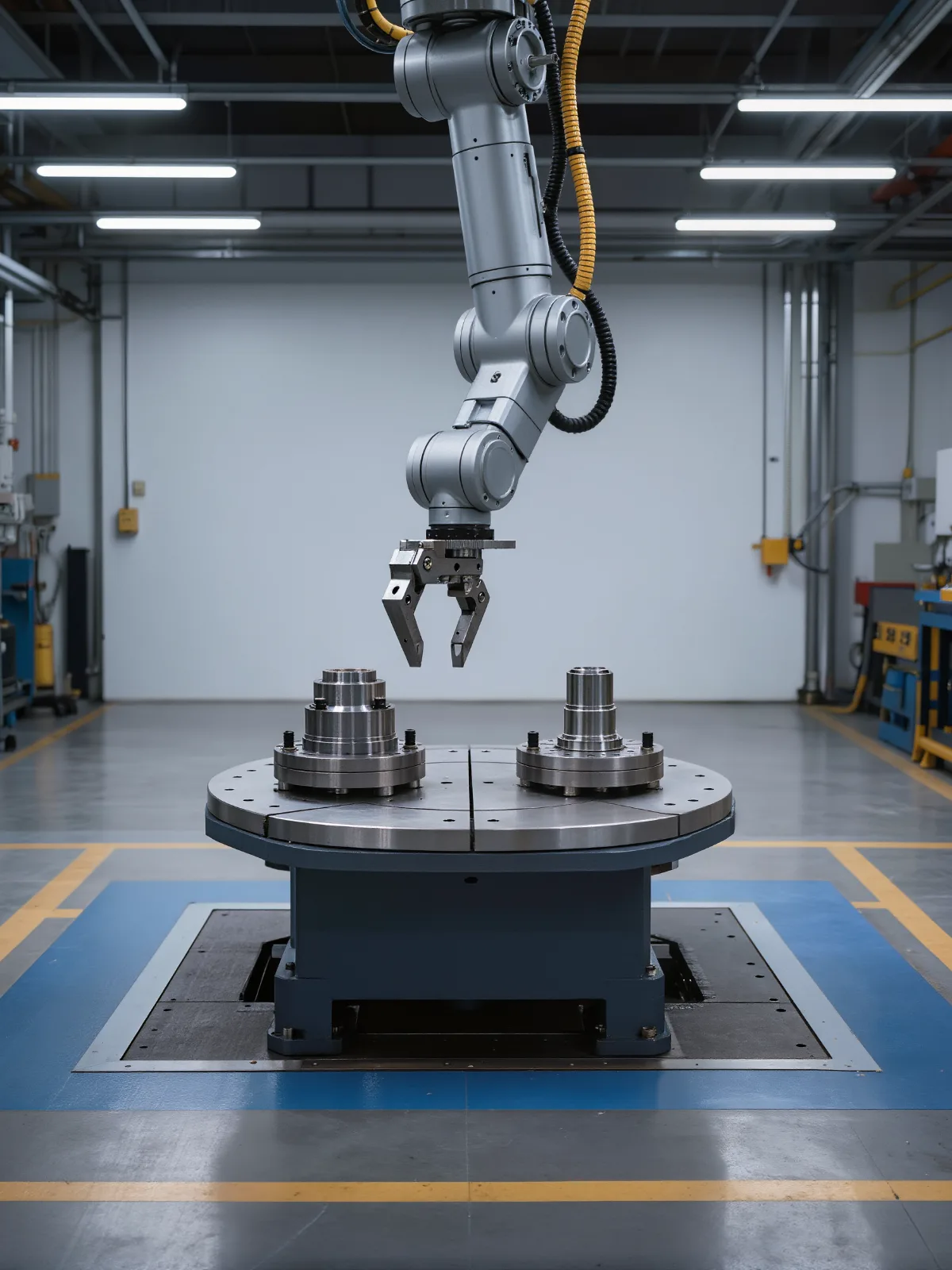
Change zones with the process
Multiple evaluation fields, selected by digital input or Ethernet API, follow each step of the cycle.
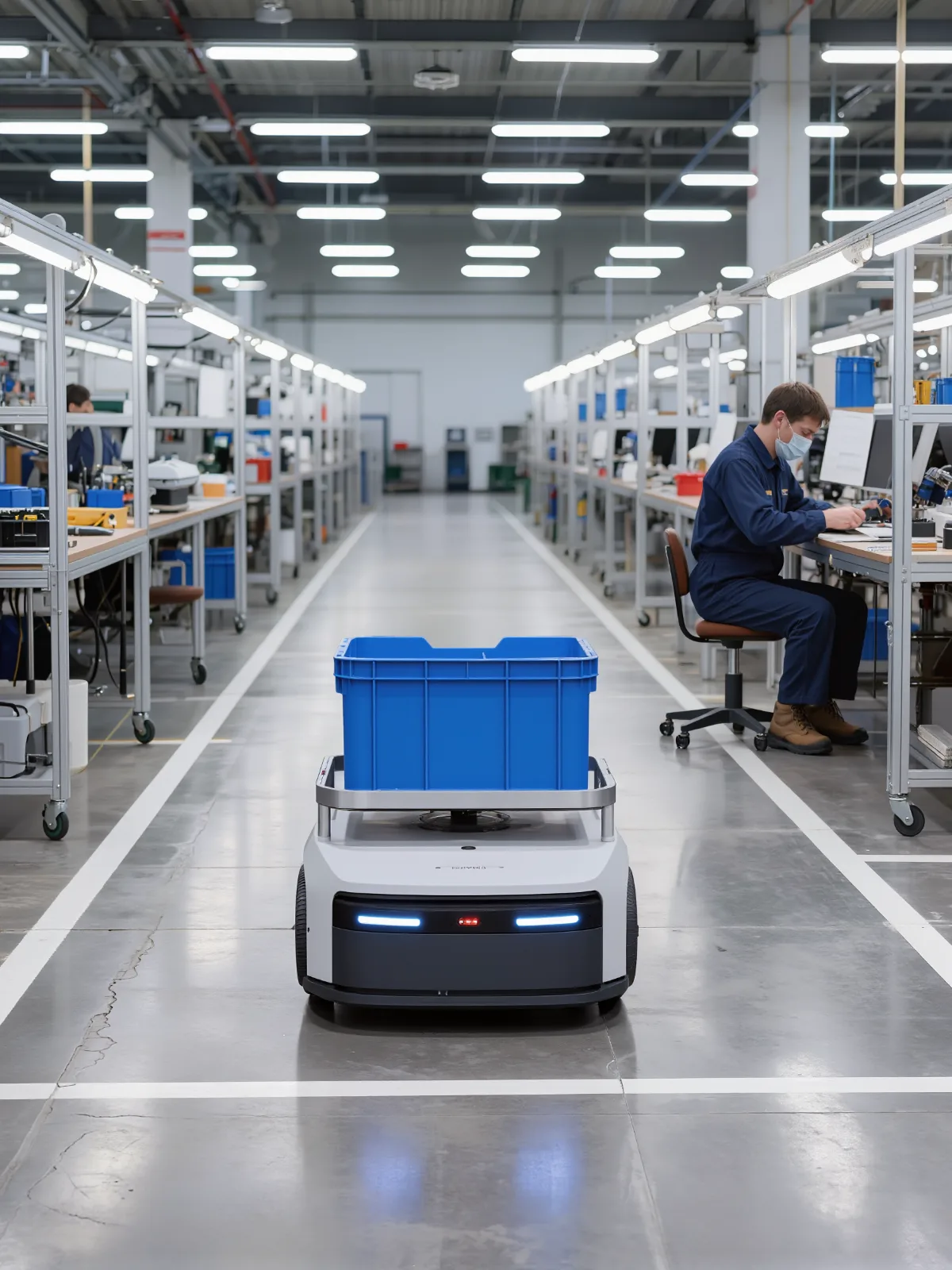
Let robots work alongside your team
3D perception helps collaborative mobile robots detect, classify and track objects and keep safe distances.
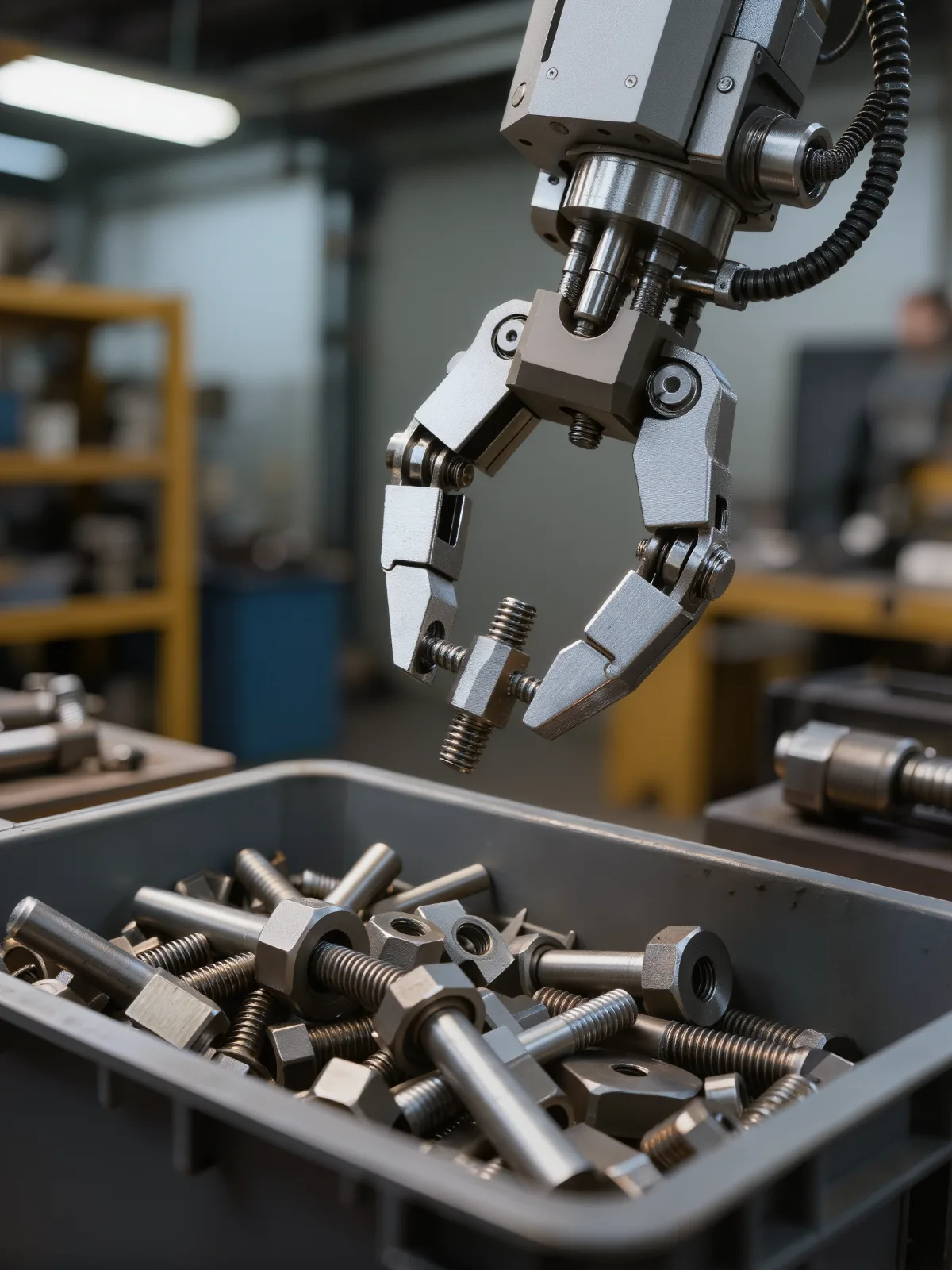
Locate and recognize parts
A low-noise 3D point cloud locates and recognizes objects for automated handling.
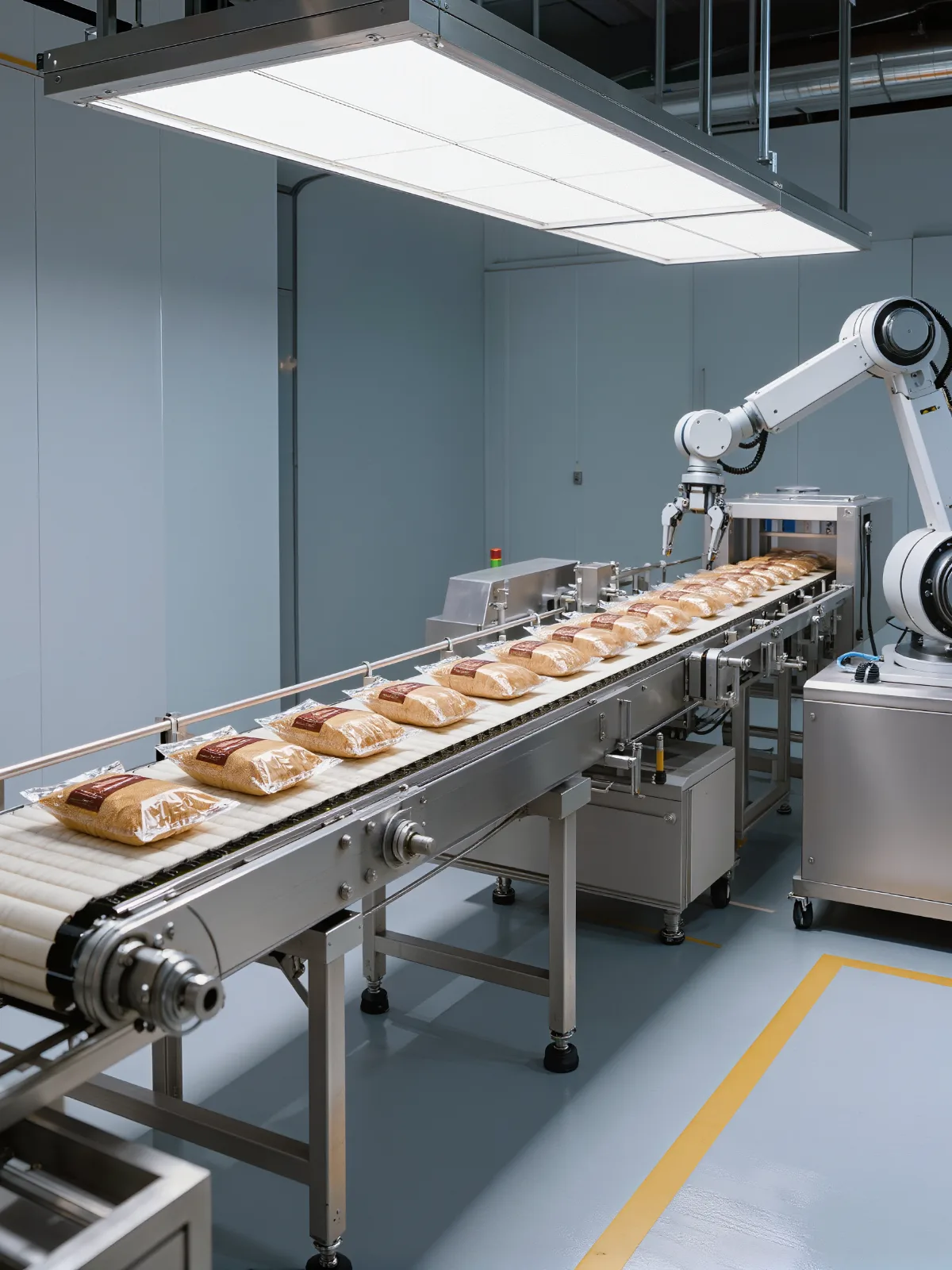
Count and measure on the line
Real-time 3D perception on the conveyor counts and measures items as they pass.
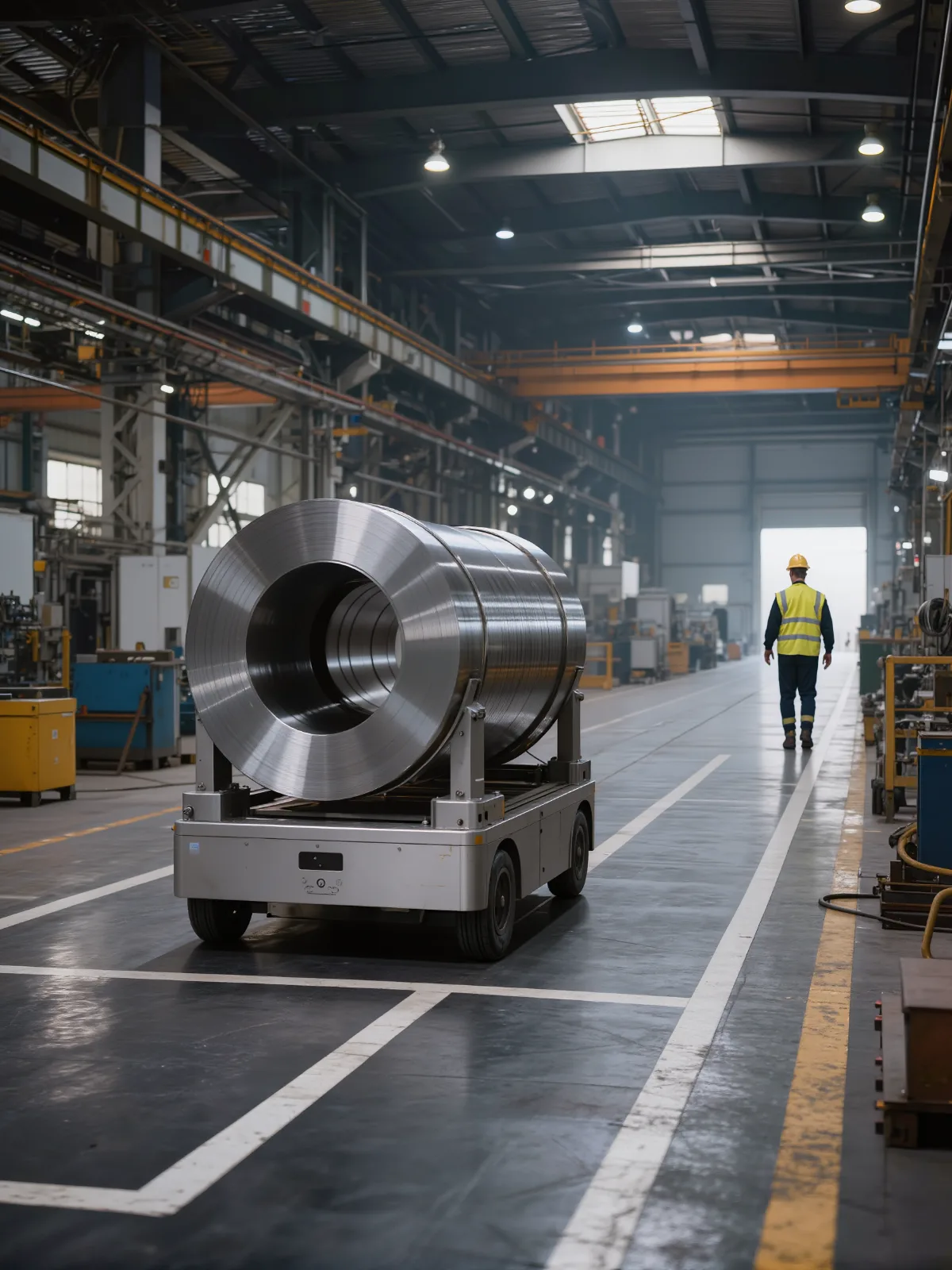
Stop before contact
Collision avoidance detection for carts, AMRs and moving machines, independent of lighting conditions.
Scan. Process. Decide. Signal.
Quanergy LiDAR processes its own data at the edge, so the PLC or robot controller receives a clear signal.
- 1
Scan
2D and 3D LiDAR scan the cell and the path around it.
- 2
Process
Edge processing handles the point cloud without additional programming.
- 3
Decide
Activity in a zone, or an object in the path, is detected against the active field.
- 4
Signal
Digital outputs or an Ethernet API alert the controller to slow, stop or alarm.
Fits the controls you already run
Quanergy LiDAR connects with digital inputs and outputs or an Ethernet API, so it fits the PLCs and robot controllers you already run.
- Digital inputs and outputs
- Ethernet API
- Zone monitoring
- Switchable fields
- Object location
- Conveyor counting
- Collision avoidance
- Edge processing
- Any lighting
Collision avoidance with 3D LiDAR
Vecna Robotics selects Quanergy LiDAR
Vecna Robotics selected Quanergy LiDAR for autonomous material handling, so its collaborative mobile robots can move safely and efficiently through busy warehouses.
- 3D perception to detect, classify and track objects
- Robots work near people while keeping safe distances
- No reliance on fixed infrastructure
Automating the vehicles that move materials? See 3D LiDAR for AGVs, AMRs and forklifts.
3D LiDAR for industrial automation: common questions
How is LiDAR used in industrial automation?
Quanergy LiDAR monitors detection zones around robot cells, helps robots and AMRs work near people, locates objects for automated handling, and detects obstacles for moving equipment.
How does zone monitoring work?
Quanergy LiDAR monitors user-defined detection zones and triggers an alarm on a digital output when there is activity, with no additional programming.
Can the zones change during the process?
Yes. Multiple evaluation fields can be selected by digital input or Ethernet API as the process changes.
Does it work in low light?
Yes. LiDAR provides its own illumination, so it performs independent of lighting conditions, even in harsh industrial environments.
Can LiDAR locate parts for picking?
Yes. A low-noise 3D point cloud locates and recognizes objects in stationary and dynamic applications.
How does it connect to our controls?
Quanergy LiDAR uses digital inputs and outputs or an Ethernet API, and our team supports integration with your PLCs and robot controllers.
Give your automation a sense of its surroundings
Tell us about your cells, lines and robots. Our team will map where LiDAR adds zone awareness and collision avoidance.