

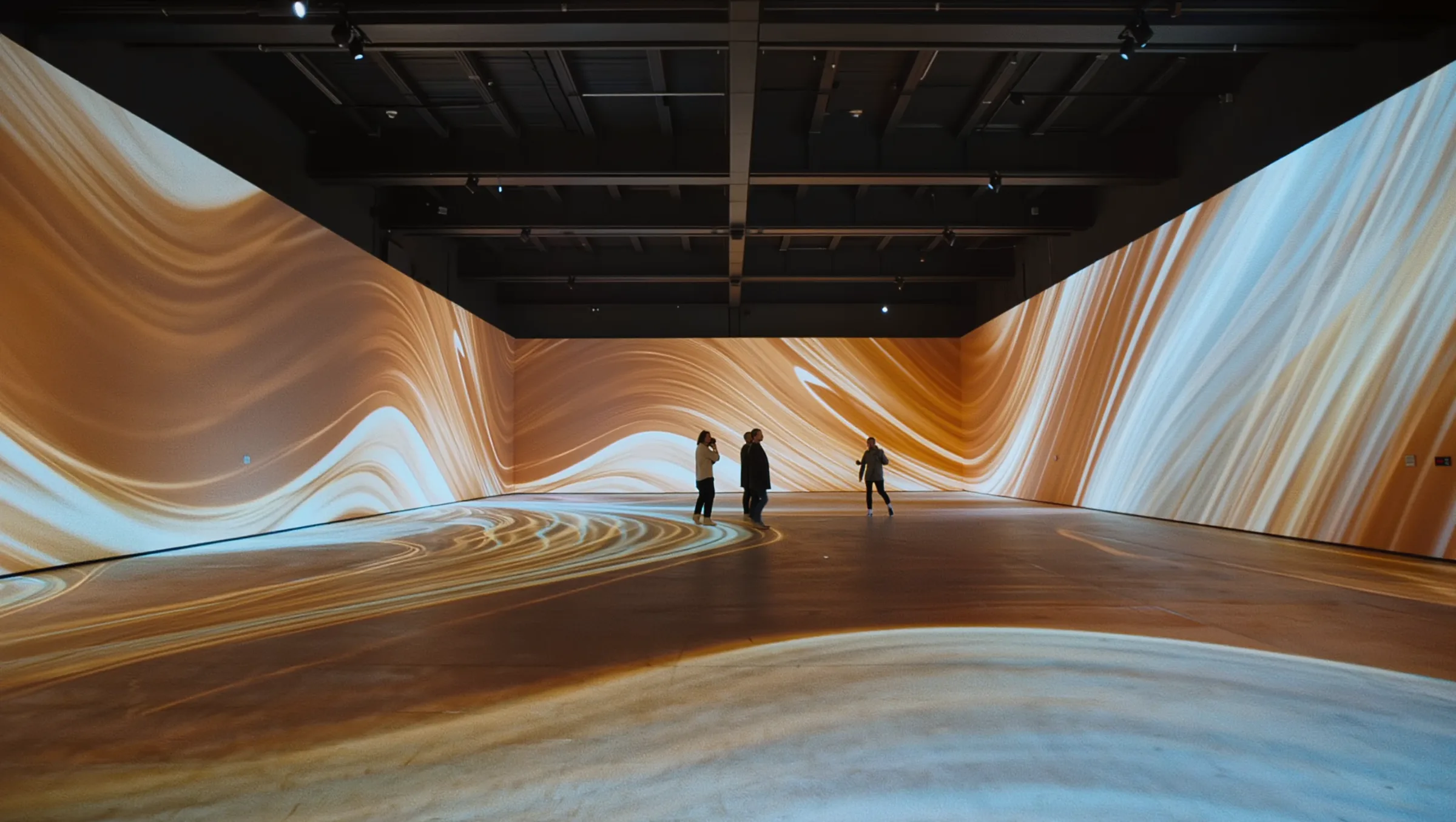
Interactive Art and Immersive Experiences with 3D LiDAR
Quanergy 3D LiDAR tracks every visitor in real time, anonymously and in any light, so walls, rooms and stages respond to where people are and how they move.
Great experiences need to know where people are
Interactive art only works when it sees visitors reliably. Camera tracking depends on lighting, and immersive spaces swing from total darkness to bright LED walls. In offices and public spaces, cameras also raise privacy questions.
3D LiDAR gives creative teams a clean, anonymous stream of every visitor’s position, direction and speed, whatever the lighting.
Content reacts to people the moment they move. The same data shows how visitors flow through the space and which moments hold their attention.
Six ways 3D LiDAR powers interactive experiences
One sensing layer for the experience and for the insight behind it.
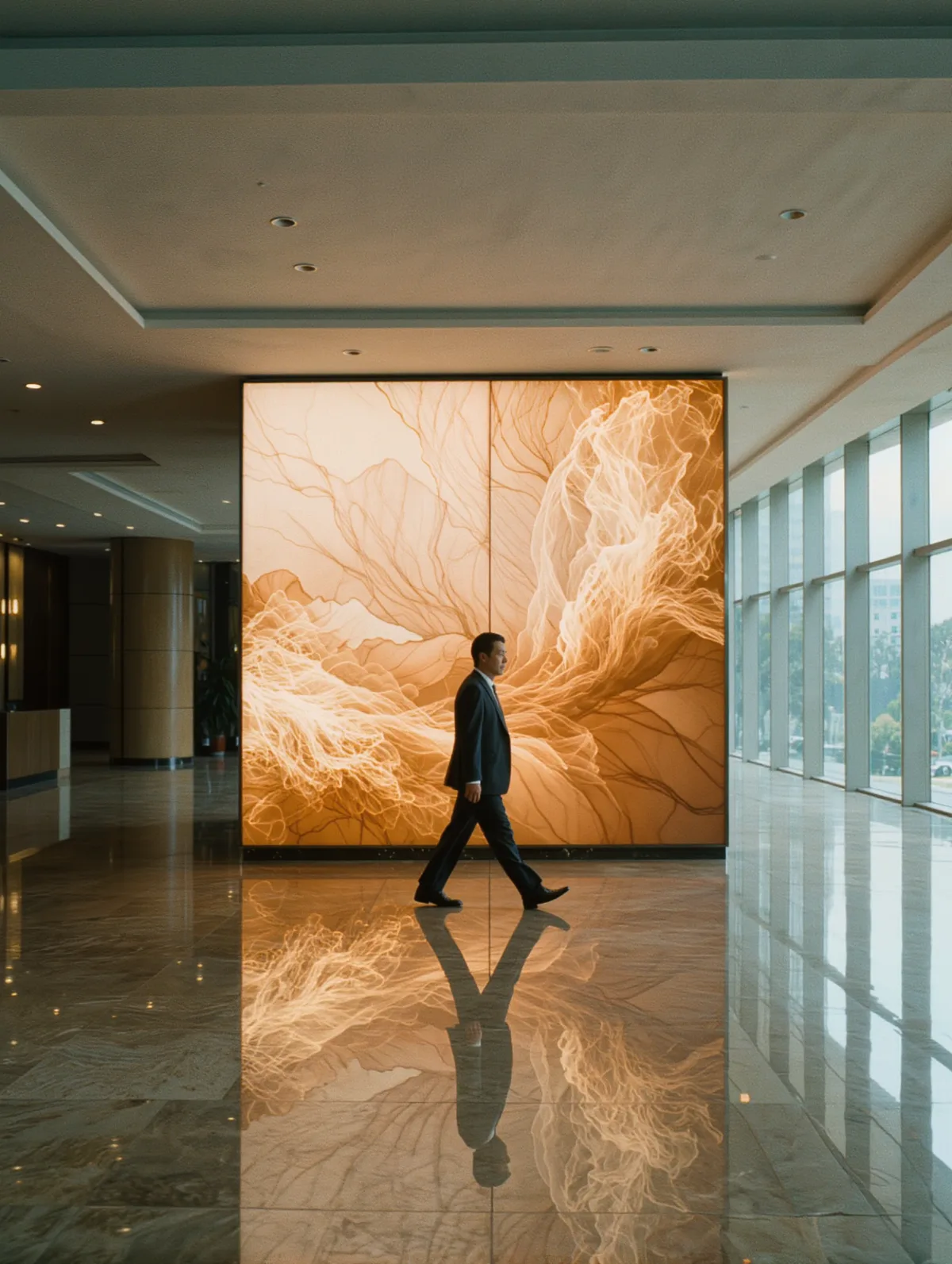
Walls that respond as people pass
Trigger generative content on LED walls as each person walks by, across lobbies and long corridors.
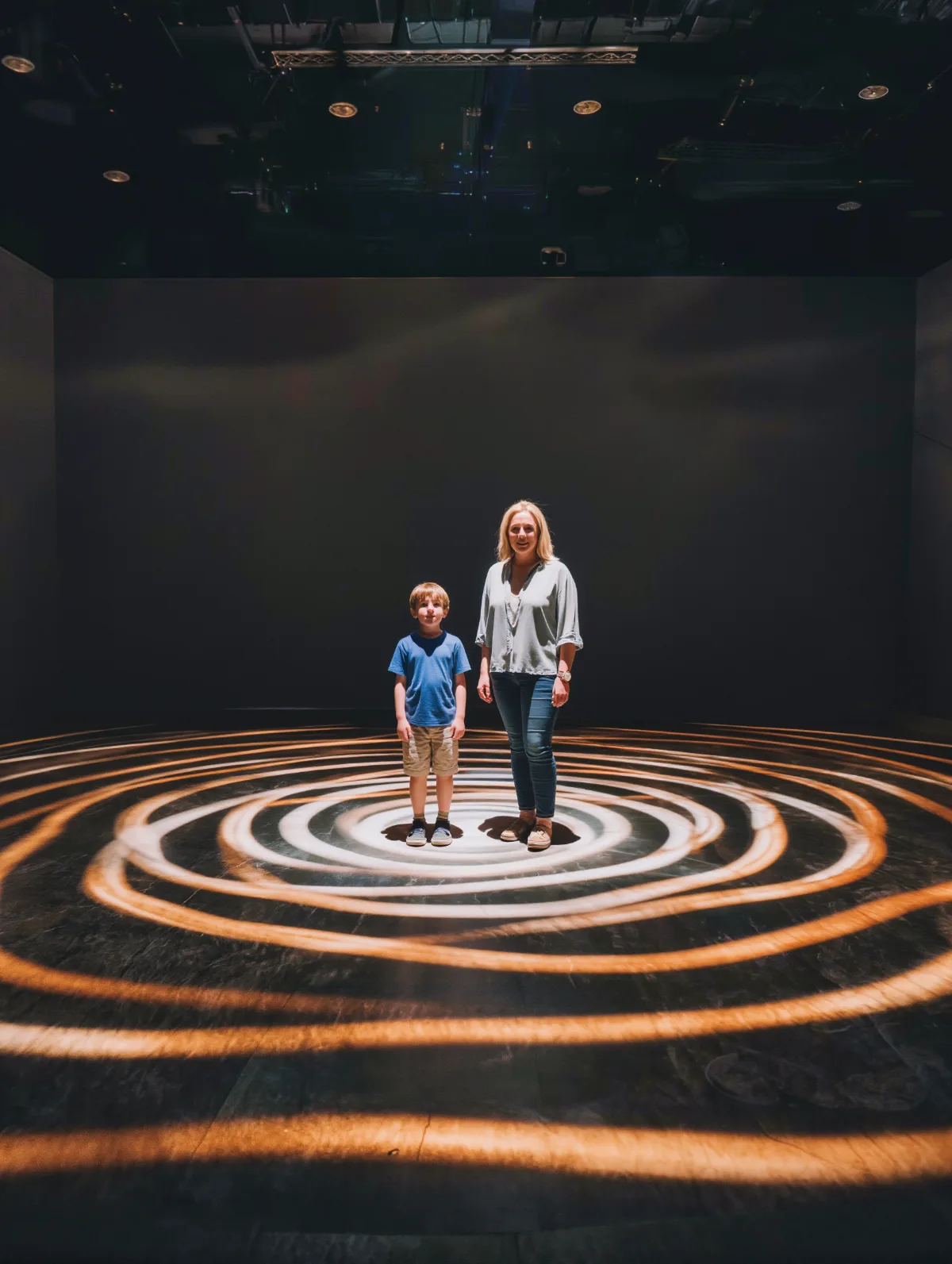
Rooms that follow every visitor
Projection and lighting react to each visitor’s position, so many people can interact at once.
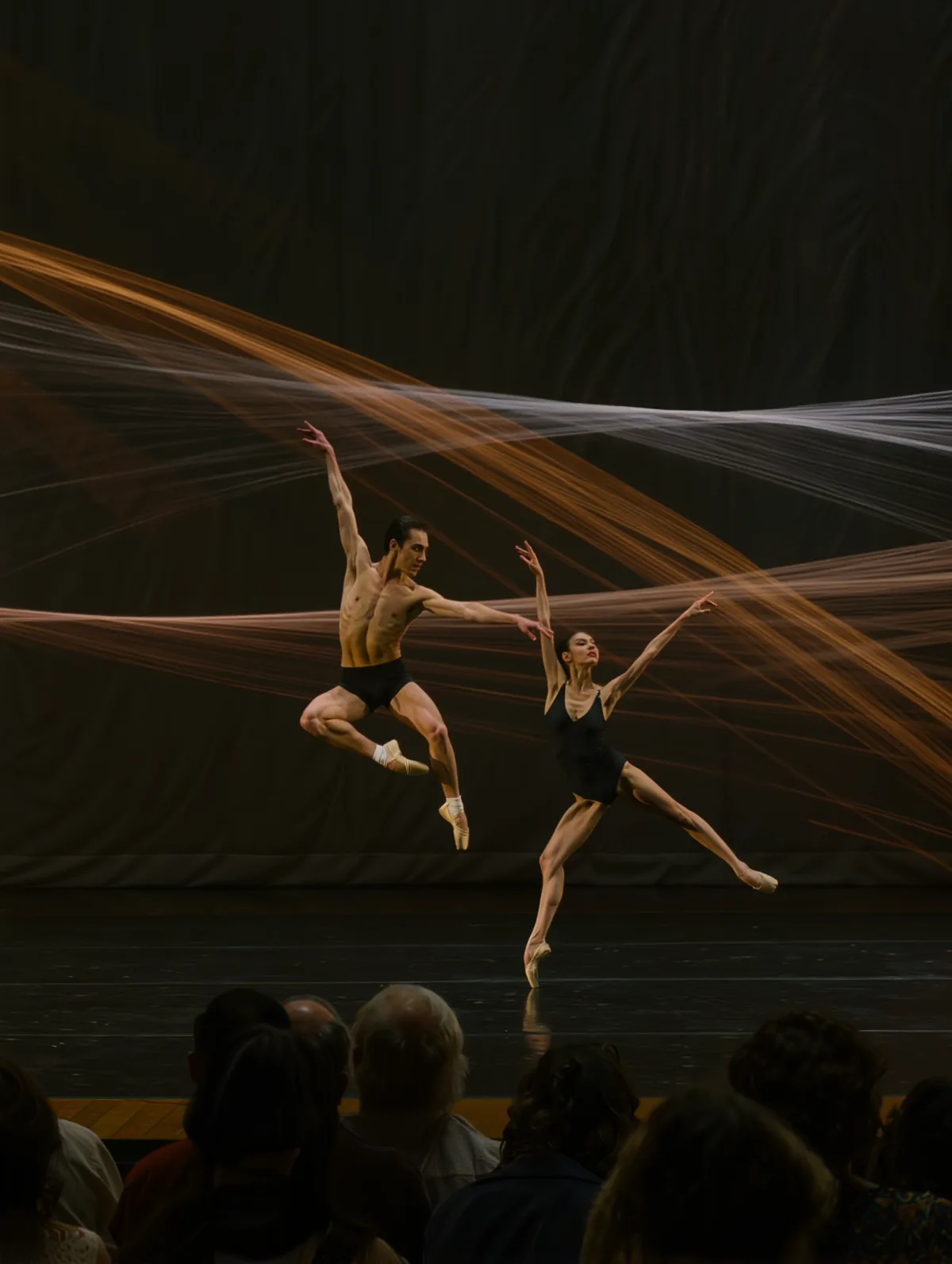
Movement drives the show
Track performers in real time to drive projections, holographic visuals and spatial audio on stage.
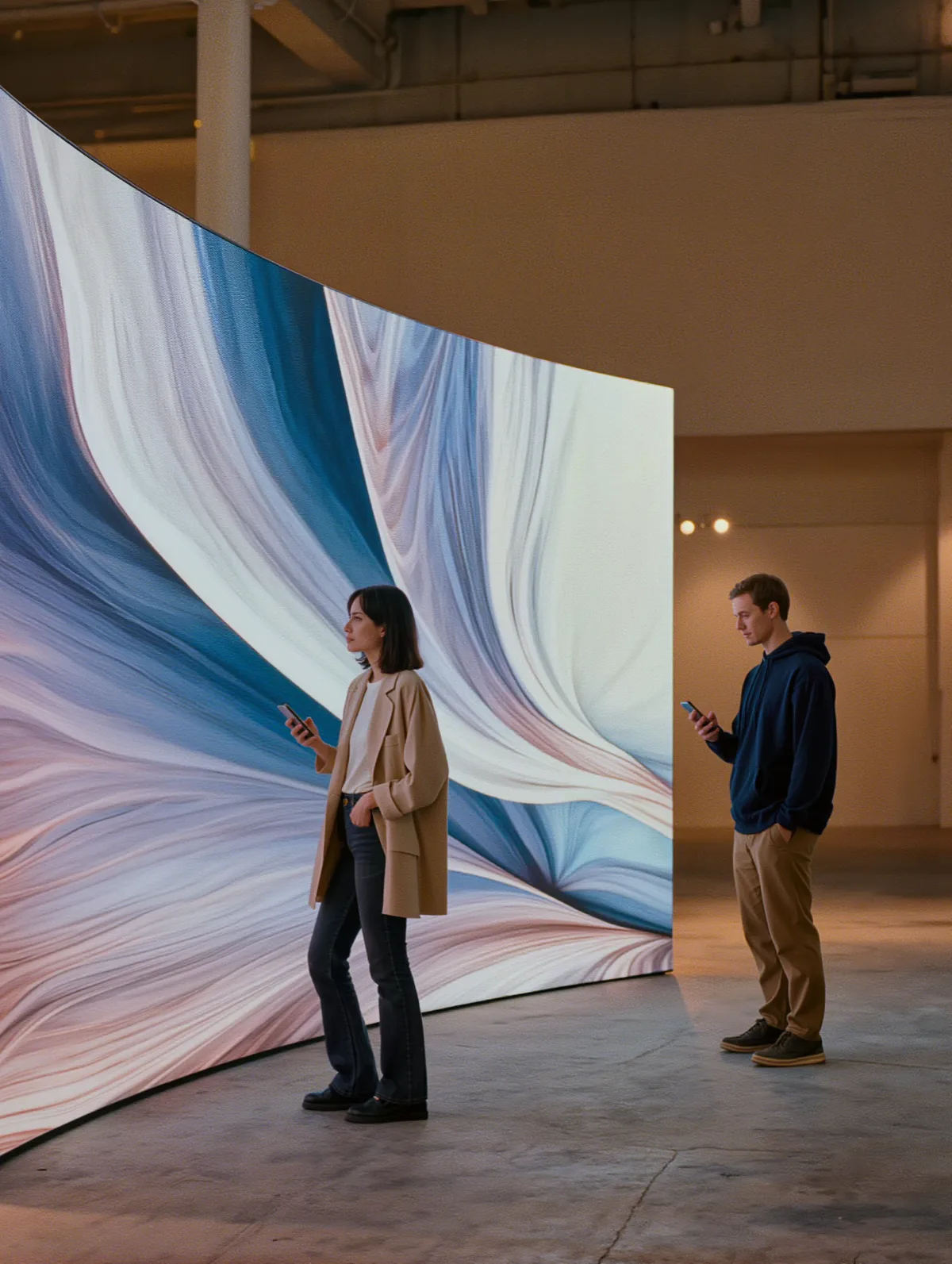
Experiences that react at events
Pop-ups and trade show installations respond to visitors and count who stopped to engage.
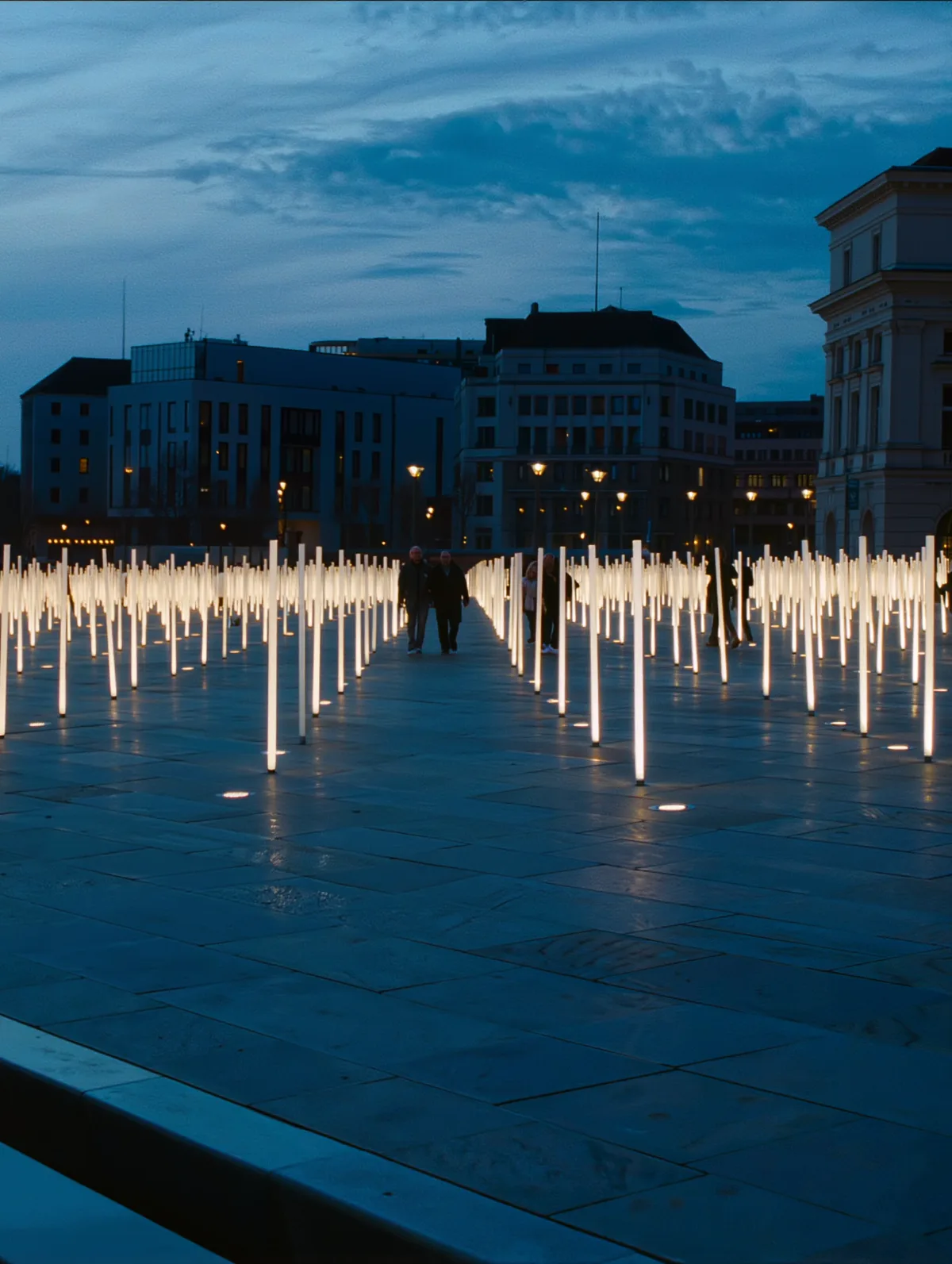
Public art that works after dark
LiDAR tracks people outdoors in any light, so plazas, facades and gardens respond day and night.
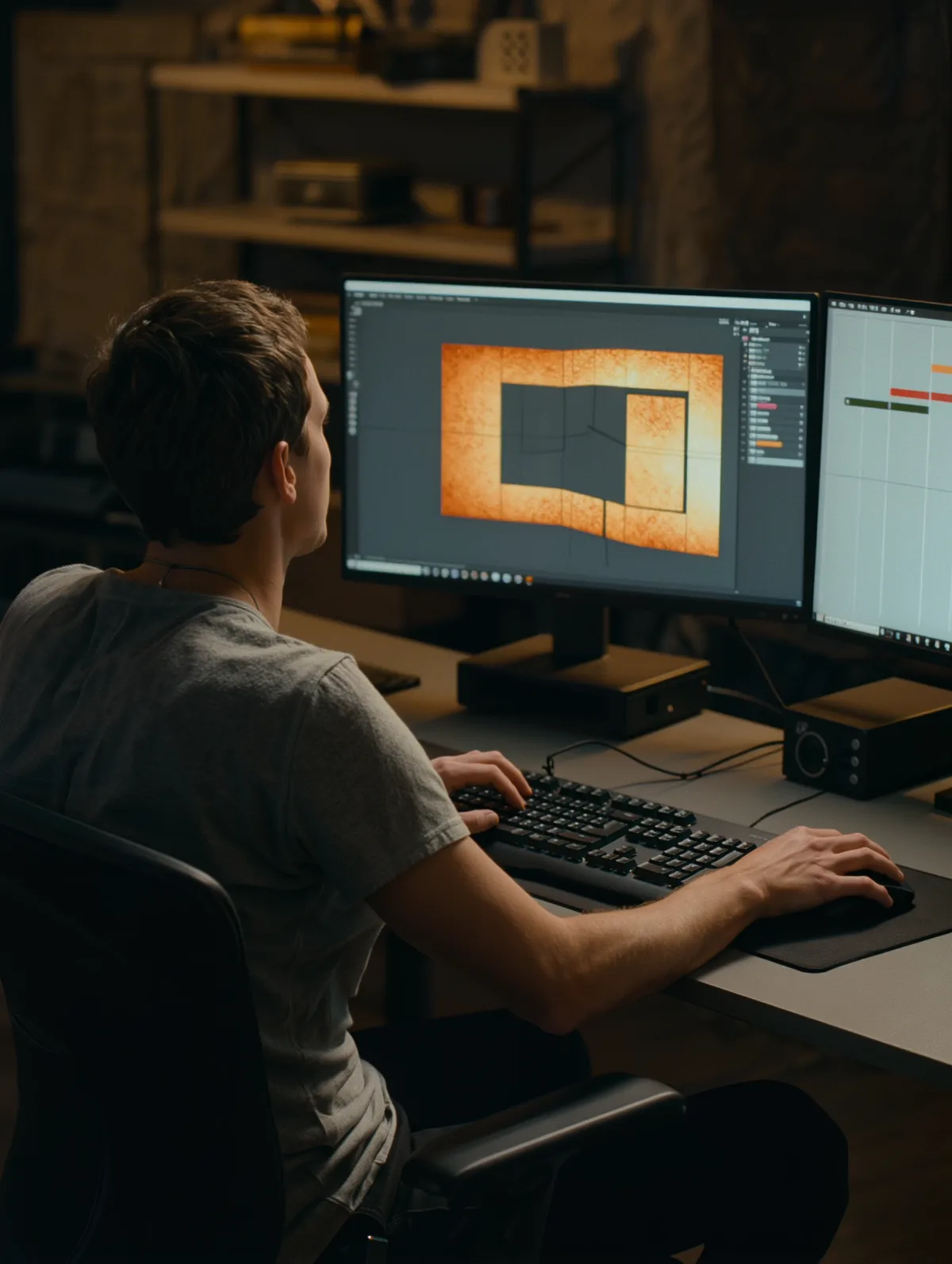
Measure how visitors engage
Counts, paths, dwell time and heat maps show which pieces draw people and how long they stay.
Detect. Track. Trigger. Measure.
Quanergy 3D LiDAR measures millions of 3D points per second. QORTEX perception software turns them into anonymous visitor tracks your experience can respond to.
- 1
Detect
360° 3D LiDAR covers wide spaces with minimal blind spots, in any light, including total darkness.
- 2
Track
QORTEX follows every visitor with centimeter-level position, speed and direction, tracking up to 1,000 objects at once.
- 3
Trigger
Zones and live tracks feed your content or show control system, so visuals and sound respond to each person.
- 4
Measure
The same tracks produce counts, paths, dwell time and heat maps, with no images or faces captured.
Built to work with creative teams
Quanergy works with designers, integrators and creative technologists to place sensors, define zones and connect tracking data to the experience.
- Anonymous 3D tracks
- Position, speed and direction
- Up to 1,000 objects at once
- Zones and triggers
- Counts and dwell time
- Paths and heat maps
- Works in total darkness
- Indoor and outdoor
- 360° coverage
Interactive experiences powered by Quanergy
AllianceBernstein Dreamwall, New York
AllianceBernstein’s New York offices introduced the Dreamwall, an AI-driven digital art experience designed and implemented by Gensler. Three Quanergy 3D LiDAR sensors track people anonymously along a corridor nearly a city block long. Each person’s passage triggers generative visuals on 240 feet of Direct View LED.
- Anonymous tracking with zero PII
- Coverage along a corridor nearly a city block long
- 2025 NYCxDesign Awards Honoree, Medium Commercial Office
Case Western Reserve University, live dance
The Department of Dance at Case Western Reserve University used Quanergy 3D LiDAR to track dancers in real time. Their movement drove holographic visuals and spatial audio, so the performers shaped the show as it happened.
Read the case studyInteractive exhibit, major New York City museum
A major New York City museum built an immersive exhibit that responds to visitor presence and movement in real time. Quanergy Q-TRACK 3D LiDAR senses anonymous movement across the exhibit space and drives zone-based interaction that triggers sound, media and lighting, with no screens, wearables, cameras or facial recognition.
- Real-time sensing of anonymous visitor movement
- Zone-based design that adapts as the exhibit changes
Interactive art with 3D LiDAR: common questions
How is 3D LiDAR used in interactive art?
Quanergy 3D LiDAR tracks every visitor anonymously and in real time. Their position, direction and speed drive interactive walls, immersive rooms and live performances, and the same data measures how people move through and engage with the space.
Does LiDAR capture images or faces of visitors?
No. Quanergy 3D LiDAR captures 3D points, not images or faces, so visitors are tracked anonymously and no personally identifiable information is collected.
Does it work in dark immersive rooms?
Yes. LiDAR provides its own illumination, so tracking does not depend on room lighting, from total darkness to bright stages and outdoor sun.
How many people can it track at once?
QORTEX perception software tracks up to 1,000 objects at once, so a room or corridor full of visitors can interact at the same time.
How does tracking data reach our content?
QORTEX outputs real-time object data, including position, speed and direction for each person. Our team works with your designers and integrators to feed it into the content or show control system that drives the experience.
Can we measure visitor engagement?
Yes. The same tracks produce counts, paths, dwell time and heat maps, so you can see which pieces draw visitors and how long they stay.
Make your space respond to people
Tell us about your installation, space and content. Our team will map sensor placement and how tracking data feeds your experience.