

Q-SHIELD™
Edge-Based LiDAR Perception for Intelligent Intrusion Detection
Request Information View DatasheetEdge-Based LiDAR Intrusion Detection
The edge-based LiDAR detection engine continuously monitors configurable detection zones and triggers alerts when objects enter protected areas. This allows security teams to monitor restricted spaces, access points, and infrastructure zones with precise LiDAR-based intrusion detection.
By converting motion into spatial intelligence, Q-SHIELD enables real-time awareness that supports the next generation of Physical AI security systems.
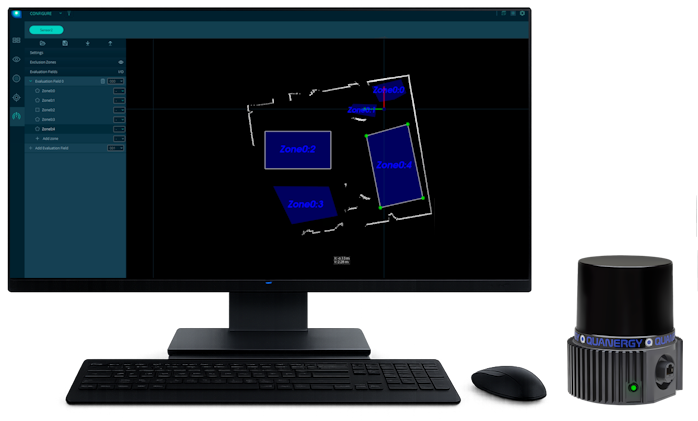
How LiDAR Intrusion Detection Works
LiDAR intrusion detection systems create an invisible detection plane that continuously scans a protected area. By measuring the distance to objects across thousands of laser measurement points, the system can detect movement, identify intrusions, and trigger alerts when a person or object enters a defined detection zone.
Unlike traditional motion sensors or video analytics, LiDAR provides precise distance measurement and spatial awareness with consistent detection performance regardless of lighting conditions. Security teams can define virtual detection zones, exclusion areas, and alarm triggers directly within the monitoring interface.
When an intrusion occurs, the system generates real-time alerts that can be integrated with video management systems (VMS), access control platforms, or other security infrastructure to support rapid response and incident verification.

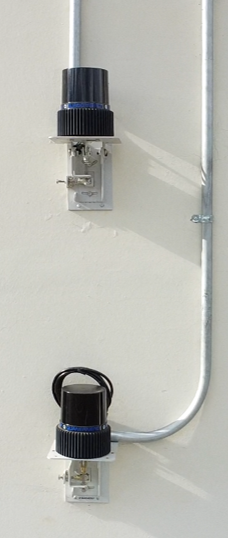
Flexible LiDAR Intrusion Detection for Security Applications
Q-SHIELD provides flexible LiDAR intrusion detection designed for a wide range of security environments. The sensor continuously monitors configurable detection zones and identifies movement when a person or object enters protected areas.
Security teams can configure virtual detection zones, exclusion areas, and alarm triggers while integrating alerts with existing video management systems and security monitoring platforms.
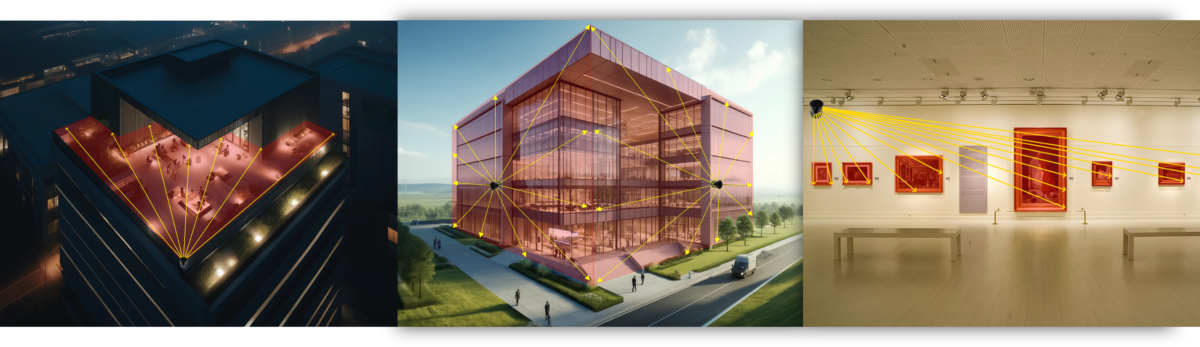
Advantages of LiDAR vs Traditional Perimeter Sensors
Traditional perimeter detection technologies such as passive infrared (PIR) sensors, microwave sensors, and video analytics often struggle with nuisance alarms caused by lighting changes, weather, shadows, or small animals.
LiDAR intrusion detection provides precise spatial measurement by continuously scanning a detection plane and calculating the distance to objects across thousands of laser measurement points. This allows the system to accurately detect real intrusions while minimizing false alarms.
Because LiDAR measures physical distance rather than motion or heat signatures, detection performance remains stable regardless of lighting conditions, shadows, glare, or nighttime environments. This results in more reliable intrusion alerts and improved situational awareness for security teams.
Q-SHIELD Core, Plus and Ultra
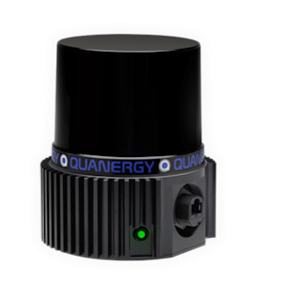
Q-SHIELD Core
100 m Maximum Detection RangeCompact edge-based LiDAR sensor for indoor security and smaller perimeter areas such as buildings, campuses, museums, and warehouses.
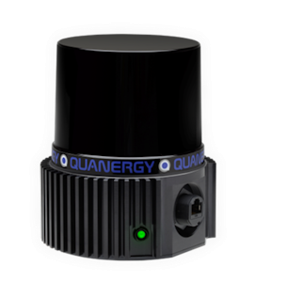
Q-SHIELD Plus
150 m Maximum Detection RangeBalanced performance for mid-size security deployments including commercial properties, logistics facilities, and multi-building campuses.
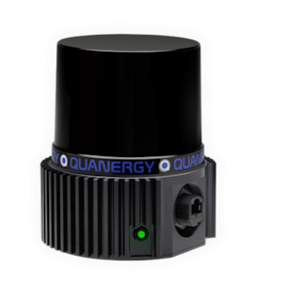
Q-SHIELD Ultra
200 m Maximum Detection RangeLong-range LiDAR sensor built for large perimeter protection at utilities, critical infrastructure sites, and high-security facilities.
Seamless Integration with Security Platforms
Q-SHIELD integrates easily with existing security infrastructure through Quanergy’s Q-TRACK™ Bridge, enabling LiDAR-based intrusion detection events to connect directly with leading video management systems (VMS), access control platforms, and centralized security monitoring platforms.
When an intrusion is detected, Q-TRACK Bridge translates LiDAR detection events into standard security alerts, allowing operators to verify incidents through video systems, trigger automated responses, and coordinate security operations from familiar monitoring interfaces.
This integration architecture allows Q-SHIELD to work alongside a wide range of security technologies, making it suitable for both new installations and upgrades to existing security systems.
Q-TRACK™ Bridge supports integration with leading VMS platforms including Genetec, Milestone, Avigilon, and other open security ecosystems used across enterprise security environments.
Q-SHIELD detects
LiDAR detection zones flag a person or object entering a protected area.
Q-TRACK™ Bridge translates
Detection events become standard security alerts for VMS and access control.
Operators verify and respond
Incidents are verified on video and responses coordinated from familiar monitoring interfaces.
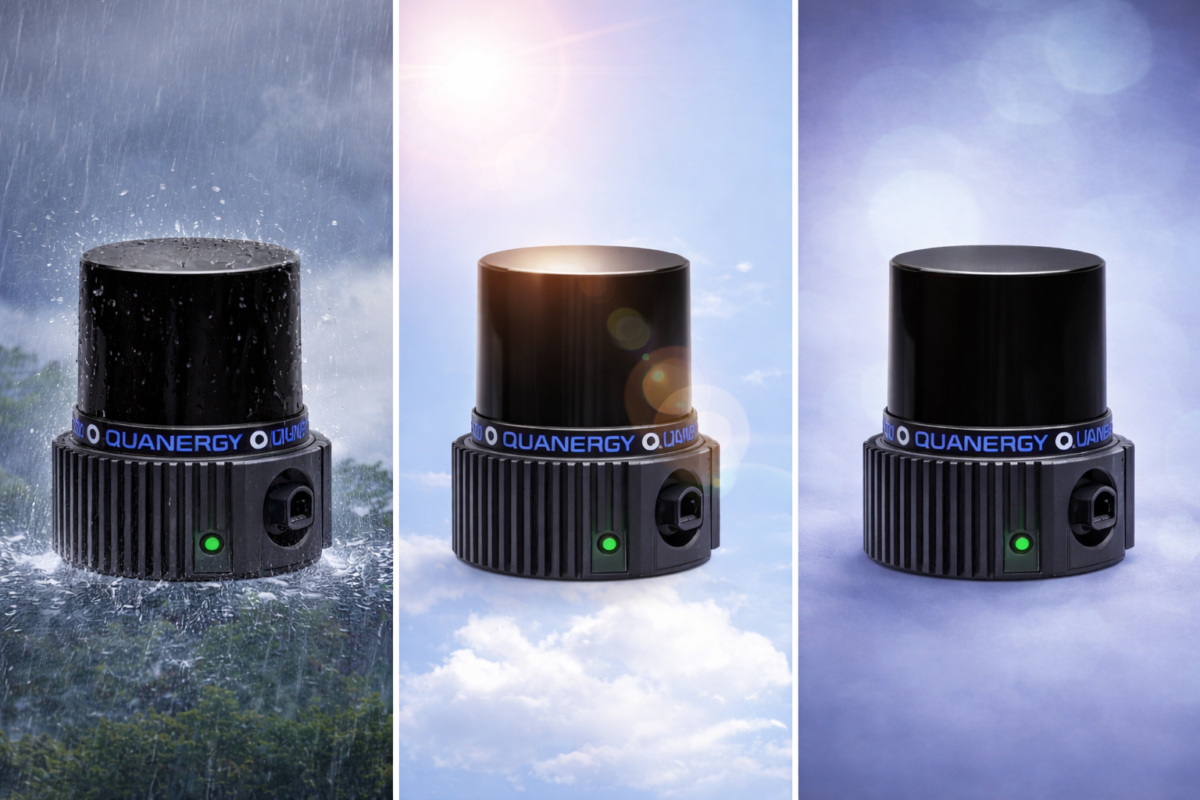
Reliable Detection in Challenging Environments
Many traditional perimeter sensors experience reduced accuracy in challenging environmental conditions. Changing light levels, shadows, weather, and reflective surfaces can trigger nuisance alarms or reduce detection reliability.
LiDAR technology avoids many of these limitations by measuring distance using laser pulses. Q-SHIELD continuously analyzes the spatial environment and detects objects entering defined detection zones with high precision.
This makes LiDAR particularly effective in environments where consistent detection performance is critical, including logistics facilities, commercial properties, campuses, warehouses, museums, and other security-sensitive locations.
Common Applications for LiDAR Intrusion Detection
LiDAR intrusion detection sensors are used in a wide range of security applications where reliable detection and low false alarm rates are essential.
Common deployments include:
protecting critical IT infrastructure, cabinet rows, and restricted equipment zones
safeguarding cultural heritage exhibits and restricted gallery areas
monitoring logistics facilities and restricted operational zones
securing entrances, courtyards, and controlled access areas
protecting restricted airside zones and transportation hubs
detecting intrusions along secured boundaries
protecting critical infrastructure from unauthorized access
monitoring gated perimeters and private estates
By combining precise LiDAR detection with flexible alarm zone configuration, security teams can protect sensitive areas while maintaining efficient monitoring operations.


Experience Q-SHIELD
Edge-based LiDAR perception for intelligent intrusion detection, integrated with the security platforms you already run.
Request Information View Datasheet